

The voice-over industry is experiencing a seismic shift. Gone are the days when brands hired voice actors for one-off commercials or isolated projects. In 2026, companies are searching for something far more valuable: a consistent, recognizable vocal brand that can become the sonic signature of their entire business. For voice actors, this transformation represents an unprecedented opportunity to move from project-based gigs to lucrative, long-term partnerships that provide stability, recurring income, and professional prestige.
Building Your Brand Voice System: How to Become a Voice Actor Dream Hire for Long-Term Contracts isn’t just about having a great voice—it’s about positioning yourself as a strategic asset that companies can’t afford to lose. As brands recognize that voice is becoming a trademark in an increasingly commoditized AI landscape, the demand for dedicated brand voices has never been higher.[3]
Key Takeaways
- 🎯 Brands are shifting to systemic voice hiring, seeking one consistent voice across all channels—ads, podcasts, apps, and IVR systems—creating repeat work opportunities for strategic voice actors[1]
- 💎 77% of business leaders prioritize exclusive AI voice licensing for competitive differentiation, positioning dedicated brand voices as premium assets worth long-term investment[3]
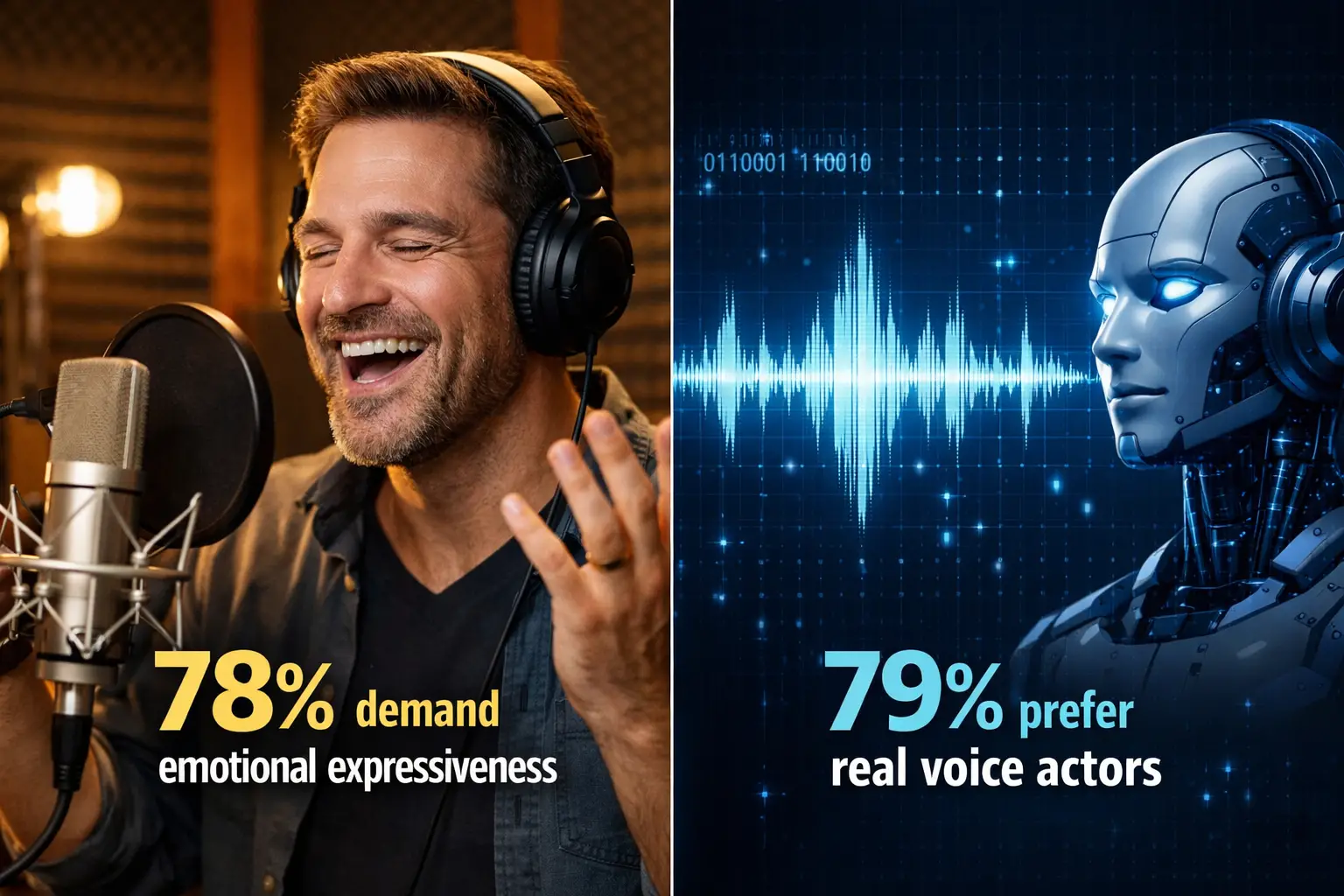
- 🎭 Emotional expressiveness is critical: 78% of business leaders rate it as essential, and 79% insist AI voices must come from real voice actors—validating human talent as foundational[3]
- 🌍 Multilingual and immersive media capabilities (VR/AR) are expanding opportunities for voice actors who can navigate cross-cultural storytelling and new technology platforms[4]
- 📋 Transparency and consent protocols are creating more structured, long-term partnership opportunities with legitimate protections for voice talent in 2026[1]
Understanding the Brand Voice Revolution in 2026
Why Brands Are Moving Beyond Project-Based Hiring
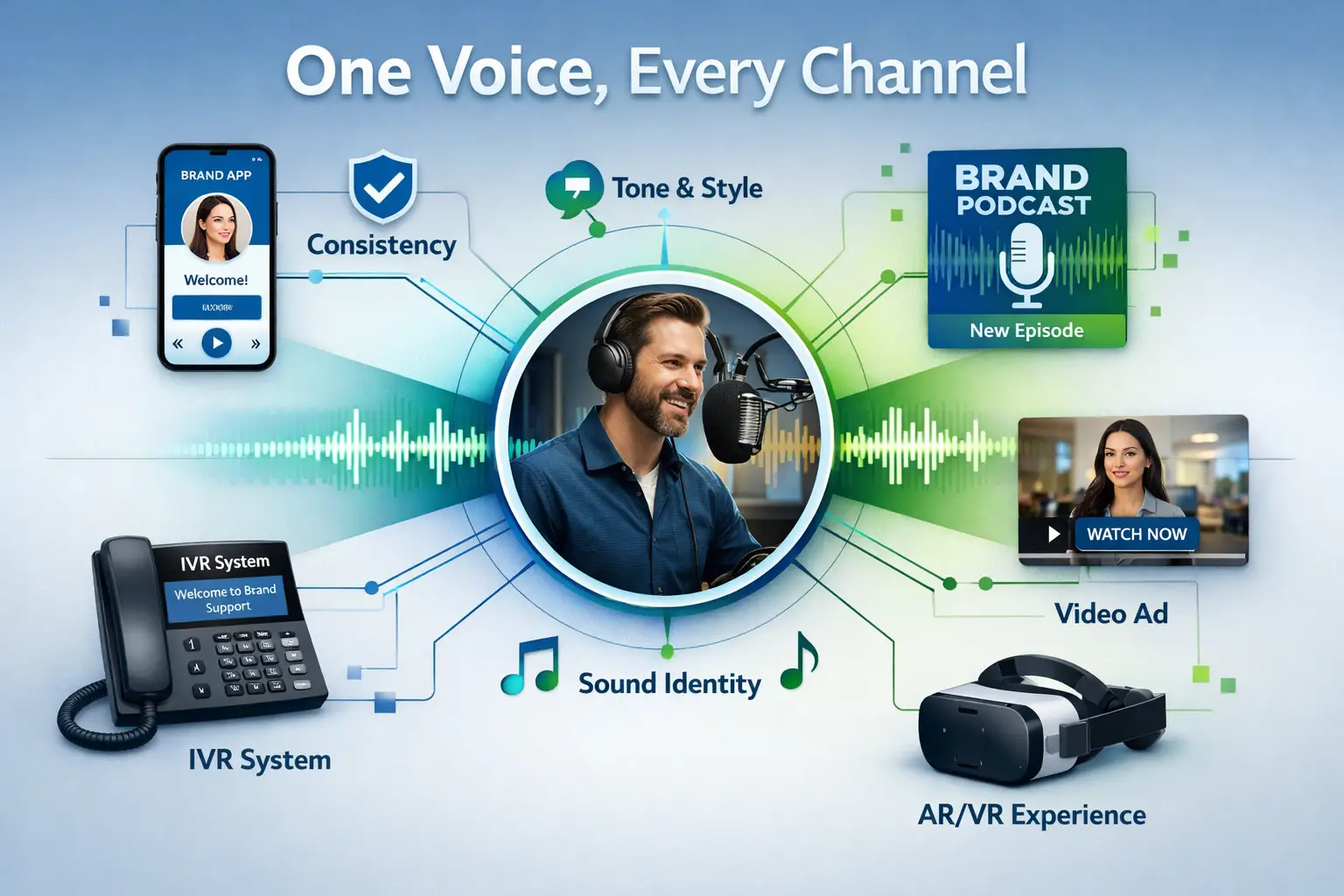
The traditional model of hiring voice actors for individual projects is rapidly becoming obsolete. Rather than sourcing different voices for each marketing initiative, brands increasingly want one consistent sound across all channels—television ads, explainer videos, podcasts, mobile applications, and phone systems (IVR).[1] This systemic approach to voice hiring creates tremendous opportunities for talent who can become a true brand voice.
Consider how you instantly recognize certain brands just by hearing their voice. That recognition doesn’t happen by accident—it’s the result of strategic, consistent vocal branding across every customer touchpoint. Companies understand that in a crowded marketplace, a signature voice is one of the few remaining elements that can make them instantly recognizable.[3]
“Voice is becoming a trademark. As AI tools become commoditized, brands recognize that a signature voice is one of the few remaining elements that can make them instantly recognizable in the market.”
The Numbers Behind the Brand Voice Movement
The data supporting this shift is compelling:
| Statistic | Percentage | Implication for Voice Actors |
|---|---|---|
| Business leaders prioritizing exclusive AI voice licensing | 77% | Premium positioning for dedicated brand voices[3] |
| Consumers finding AI voices more memorable when tied to single brand | 61% | Brand consistency creates audience recognition[3] |
| Business leaders rating emotional expressiveness as critical | 78% | Human performance differentiates premium talent[3] |
| Business leaders saying AI voices should come from real actors | 79% | Human talent is foundational, not optional[3] |
| Companies planning to use real human voice actors for brand marketing | 50%+ | Strong demand for authentic human voices[4] |
These statistics reveal a clear truth: Building Your Brand Voice System: How to Become a Voice Actor’s Dream Hire for Long-Term Contracts requires understanding that brands view voice talent as strategic partners, not interchangeable commodities.
The Competitive Advantage of Exclusive Voice Partnerships
Exclusive voice licensing has become a competitive priority. When a brand invests in a dedicated voice actor, they’re not just purchasing audio files—they’re building an auditory brand identity that can’t be replicated by competitors. This exclusivity creates tremendous value for both parties.
For voice actors, exclusive partnerships mean:
- 💰 Recurring revenue streams instead of unpredictable project income
- 🔒 Contract security with guaranteed work over extended periods
- 📈 Professional growth as the brand expands into new markets and platforms
- 🤝 Collaborative relationships where your input shapes brand direction
- 🎖️ Portfolio prestige from being associated with recognized brands
Developing Your Signature Brand Voice System
Defining Your Vocal Brand Identity
Before brands can hire you as their dedicated voice, you need to establish your own vocal brand identity. This goes far beyond your natural speaking voice—it encompasses the emotional range, stylistic flexibility, and authentic characteristics that make you uniquely valuable.
Key elements of a strong vocal brand identity:
- Tonal Consistency: Your recognizable sound that remains identifiable across different contexts
- Emotional Range: The ability to express genuine feelings while maintaining your core identity
- Stylistic Versatility: Adapting to different formats without losing your signature quality
- Authentic Personality: The genuine human qualities that can’t be synthesized or replicated
Actor-powered voices provide “creative interpretation, cultural authenticity, and emotional expressiveness that synthetic or scraped voices can’t generate.”[3] These qualities become your competitive moat in Building Your Brand Voice System: How to Become a Voice Actor’s Dream Hire for Long-Term Contracts.
Mastering the Conversational, Peer-to-Peer Delivery Style
The days of the stereotypical announcer voice are fading. In 2026, audiences respond better to reads that sound like a trusted friend or advisor rather than a distant broadcaster.[4] This shift toward conversational, peer-to-peer delivery makes versatile, naturalistic performers more valuable for long-term brand partnerships.
How to develop conversational mastery:
- 🗣️ Study real conversations: Listen to how people actually talk, including pauses, inflections, and natural rhythms
- 🎯 Focus on connection: Imagine speaking to one specific person, not a faceless audience
- 💬 Embrace imperfection: Slight variations and natural qualities make you sound human, not robotic
- 🎭 Practice active listening: Even when reading alone, react to the words as if hearing them for the first time
- 📱 Record casual speech: Analyze your natural speaking patterns to incorporate authentic elements
This conversational approach is particularly valuable as brands seek voices that build genuine connections with their audiences rather than simply delivering information.
Building Emotional Expressiveness That Brands Can’t Ignore
With 78% of business leaders rating emotional expressiveness as critical for voice AI,[3] your ability to deliver authentic emotion consistently becomes a non-negotiable skill. This differentiates premium voice actors from synthetic alternatives in long-term brand partnerships.
Techniques for developing emotional expressiveness:
- Emotional memory work: Draw on genuine experiences to fuel authentic performances
- Physical embodiment: Use body language and facial expressions even in the booth—they translate to voice
- Script analysis: Understand the emotional journey of each piece, not just individual words
- Vocal variation: Practice subtle changes in pitch, pace, and tone to convey nuanced emotions
- Consistency training: Deliver the same emotional quality across multiple takes and sessions
Remember: brands hiring for long-term contracts need to know you can deliver consistent emotional authenticity whether it’s take one or take one hundred, whether it’s January or December.
Positioning Yourself for Long-Term Brand Partnerships
Creating Your Multi-Platform Portfolio
Building Your Brand Voice System: How to Become a Voice Actor’s Dream Hire for Long-Term Contracts requires demonstrating that you can maintain vocal consistency across diverse platforms. Brands need to see that your voice works equally well in a 30-second commercial, a 10-minute explainer video, an IVR system, and a podcast series.
Essential portfolio elements for 2026:
- 📺 Traditional media samples: TV/radio commercials, broadcast narration
- 🎙️ Podcast-style content: Long-form conversational reads demonstrating stamina
- 📱 Digital/app interfaces: Short, punchy IVR and app instruction samples
- 🎬 Video narration: Explainer videos, corporate presentations, e-learning
- 🌐 Multilingual capabilities: Samples in additional languages if applicable
- 🥽 Immersive media: VR/AR samples showing adaptability to new formats
VR and AR are creating new roles for voice talent, particularly for those who can deliver compelling performances in 360-degree environments. Voice actors who master these immersive formats will be in high demand.[4] Including these cutting-edge samples positions you as forward-thinking and adaptable.
Developing Multilingual and Cross-Cultural Capabilities
Spanish, French, German, Chinese, and Hindi remain key growth languages in 2026.[4] Voice actors who can navigate cross-cultural storytelling and multilingual projects position themselves for international long-term contracts.
Strategies for expanding language capabilities:
- 🎓 Formal language training: Invest in professional instruction, not just apps
- 🌍 Cultural immersion: Understand cultural context, not just pronunciation
- 🎭 Native collaboration: Work with native speakers to refine authenticity
- 📚 Accent coaching: Develop genuine regional variations, not stereotypes
- 🔄 Translation partnerships: Build relationships with quality translators who understand voice-over
Even if you’re not fluent in multiple languages, demonstrating cultural awareness and sensitivity in your primary language makes you more valuable to global brands seeking authentic connections with diverse audiences.
Showcasing Consistency and Reliability
Long-term brand partnerships depend on reliability. Brands need to know that you’ll deliver the same quality voice whether it’s a rush project on Friday afternoon or a carefully planned campaign months in advance.
Building your reputation for consistency:
- Maintain detailed session notes: Document technical settings, emotional direction, and brand preferences
- Create reference recordings: Keep approved samples for each brand to match in future sessions
- Invest in quality equipment: Professional, consistent audio quality is non-negotiable
- Develop backup systems: Have contingency plans for technical failures
- Communicate proactively: Update clients immediately about any potential issues
Brands that use real humans and are transparent about incorporating AI into customer communications build stronger, loyal relationships—making partnerships with trustworthy voice actors more desirable.[2] Your reliability becomes part of the brand’s reliability.
Navigating Contracts, Rights, and AI Considerations
Understanding Modern Voice Licensing Agreements
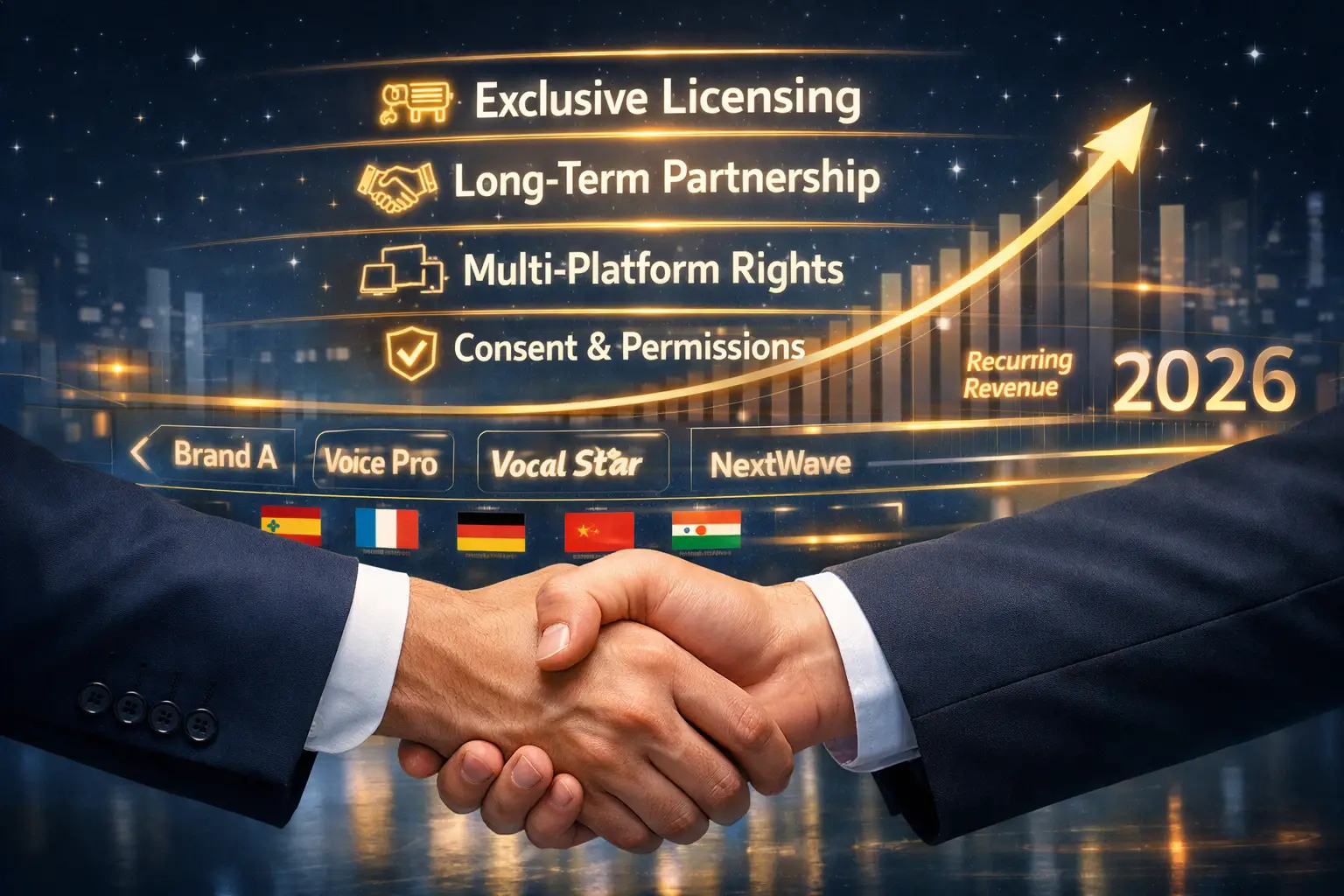
In 2026, contracts and platforms are adding clearer rules around digital voices regarding creation, usage rights, and performer compensation.[1] This formalization creates more structured, long-term partnership opportunities with legitimate protections.
Essential contract elements for brand voice systems:
- 📋 Scope of exclusivity: Which industries/competitors are restricted
- ⏰ Duration and renewal terms: Length of partnership and extension options
- 💵 Compensation structure: Upfront fees, usage fees, and royalty arrangements
- 🔊 Usage rights: Which platforms, territories, and applications are covered
- 🤖 AI and synthetic voice provisions: How your voice may (or may not) be used with AI
- 🔒 Confidentiality and non-compete: Protecting both parties’ interests
- 📊 Performance metrics: How success will be measured and reported
Don’t hesitate to involve an entertainment attorney or voice-over agent experienced in brand partnerships. The investment in legal review pays for itself many times over in protected long-term relationships.
Consent and AI Voice Cloning Protections
The rise of AI voice technology has made consent and permissions standardized components of professional voice contracts. Understanding these protections is crucial for Building Your Brand Voice System: How to Become a Voice Actor’s Dream Hire for Long-Term Contracts in the AI era.
Key AI-related contract provisions:
- ✅ Explicit consent requirements: Clear permission needed before voice cloning or AI training
- 🎯 Limited use cases: Specific applications where AI versions may be deployed
- 💰 Separate compensation: Additional payment for AI usage rights
- ⏳ Time limitations: How long AI versions can be used
- 🔄 Update and refresh rights: Your ability to re-record and update content
- 🚫 Prohibited uses: Applications where your AI voice cannot be used
- 📈 Audit rights: Your ability to verify how your voice is being used
Remember that 79% of business leaders say AI voices should come from real voice actors,[3] emphasizing that human performance isn’t optional—it’s foundational for quality brands. Your consent and participation in AI applications should be valued accordingly.
Building Transparent, Trust-Based Partnerships
Transparency creates competitive advantage. Brands that are open about their use of both human talent and AI technology build stronger, more loyal relationships with their audiences.[2] As a voice actor, embracing this transparency positions you as a trustworthy partner.
Fostering transparent partnerships:
- Open communication about AI: Discuss how technology might enhance (not replace) your work
- Collaborative problem-solving: Work with brands to find solutions that benefit both parties
- Regular performance reviews: Schedule periodic check-ins to assess partnership health
- Shared success metrics: Align on how to measure and celebrate wins together
- Ethical alignment: Partner with brands whose values match your own
When brands view you as a collaborative partner rather than a vendor, they invest in the relationship long-term.
Marketing Yourself as a Brand Voice Specialist
Crafting Your Positioning Statement
Your positioning statement should clearly communicate why brands should choose you as their dedicated voice. This isn’t about listing technical skills—it’s about articulating the unique value you bring to long-term partnerships.
Effective positioning statement framework:
“I help [specific type of brand] create [specific outcome] through [your unique approach] so they can [ultimate benefit].”
Example: “I help health and wellness brands create authentic, trustworthy connections with their audiences through warm, conversational storytelling that combines scientific credibility with genuine empathy, so they can build lasting customer loyalty across all platforms.”
Your positioning should reflect your understanding of Building Your Brand Voice System: How to Become a Voice Actor’s Dream Hire for Long-Term Contracts as a strategic business solution, not just a creative service.
Demonstrating ROI and Business Value
Brands invest in long-term voice partnerships when they see clear return on investment. Help them understand the business case by speaking their language.
How to demonstrate business value:
- 📊 Brand recognition metrics: Increased recall and recognition from consistent voice
- 💰 Cost efficiency: Long-term partnerships reduce search, audition, and onboarding costs
- ⚡ Speed to market: Established relationships enable faster project turnaround
- 🎯 Quality consistency: Reduced variation and revision needs
- 🌐 Scalability: Easy expansion into new markets and platforms
- 🤝 Partnership benefits: Your investment in understanding their brand deeply
Consider creating case studies (with permission) showing how your voice contributed to measurable brand outcomes. Quantifiable results speak louder than creative accolades when pitching to decision-makers.
Leveraging Industry Trends in Your Marketing
Position yourself at the forefront of industry evolution. More than 50% of companies surveyed planned to use real human voice actors for brand marketing in 2025, with nearly 50% anticipating needs in animation, broadcast, online ads, and television.[4] Reference these trends in your marketing to demonstrate market awareness.
Trend-forward marketing messages:
- 🚀 “Ready for immersive media: VR/AR voice performance specialist”
- 🌍 “Cross-cultural storytelling: Authentic voices for global brands”
- 🤖 “AI-collaborative: Human performance enhanced by smart technology”
- 🎭 “Emotional expressiveness expert: The quality 78% of leaders demand”
- 🔒 “Exclusive partnership specialist: Your signature brand voice”
By aligning your marketing with documented industry trends, you demonstrate that you’re not just a talented performer—you’re a strategic business partner who understands the evolving landscape.
Sustaining and Growing Long-Term Brand Relationships
Continuous Skill Development and Adaptation
Long-term contracts require long-term commitment to growth. The voice actors who maintain premium brand partnerships are those who continuously evolve with industry demands and technological changes.
Priority skill development areas for 2026:
- Immersive media performance: VR/AR voice acting techniques
- AI collaboration skills: Working effectively with voice AI tools
- Multilingual expansion: Adding languages or improving existing ones
- Technical proficiency: Home studio upgrades and remote direction capabilities
- Business acumen: Understanding brand strategy and marketing principles
- Cultural competency: Deepening cross-cultural communication skills
Invest in professional development not just to get contracts, but to keep and grow them. Brands value partners who evolve alongside their needs.
Building Your Support Network
Building Your Brand Voice System: How to Become a Voice Actor’s Dream Hire for Long-Term Contracts isn’t a solo endeavor. Surround yourself with professionals who can help you deliver exceptional value.
Essential network members:
- 🎯 Agent or manager: Negotiating contracts and finding opportunities
- ⚖️ Entertainment attorney: Protecting your rights and reviewing agreements
- 🎚️ Audio engineer: Ensuring technical excellence in your recordings
- 💼 Business coach: Developing strategic thinking and business skills
- 🎭 Performance coach: Maintaining and improving your craft
- 🌐 Industry peers: Sharing knowledge and supporting each other’s growth
Your network multiplies your capabilities and helps you deliver consistent excellence that brands depend on.
Measuring and Communicating Your Impact
Don’t wait for brands to notice your value—proactively measure and communicate your impact on their business.
Metrics to track and share:
- 📈 Project completion statistics: On-time delivery rate, revision requests
- 🎯 Brand consistency scores: How well you maintain vocal identity across projects
- ⚡ Turnaround times: Average time from brief to delivery
- 💬 Client satisfaction: Testimonials and feedback scores
- 🌍 Scope expansion: New platforms or markets you’ve helped them enter
- 💰 Cost savings: Efficiency gains from the established partnership
Regular reporting (quarterly or annually) reinforces your value and provides natural opportunities to discuss contract renewals and expansions.
Conclusion: Your Path to Becoming a Brand Voice Asset
The transformation from project-based voice actor to strategic brand voice partner represents one of the most significant opportunities in the industry today. As brands recognize that voice is becoming a trademark and that emotional expressiveness delivered by real human talent is irreplaceable, the demand for dedicated brand voices will continue to grow.
Building Your Brand Voice System: How to Become a Voice Actor’s Dream Hire for Long-Term Contracts requires a fundamental shift in how you view your career. You’re not just a performer—you’re a strategic asset that helps brands create consistent, memorable, and emotionally resonant connections with their audiences across every platform and touchpoint.
Your Action Plan for Success
Immediate next steps (this week):
- ✅ Audit your current portfolio for multi-platform consistency
- ✅ Research brands in your niche that might benefit from a dedicated voice
- ✅ Identify one skill gap (immersive media, multilingual, etc.) to address
- ✅ Review your contracts and understand your current rights and protections
Short-term goals (this month):
- 🎯 Create or update your positioning statement for brand partnerships
- 🎯 Develop case studies or ROI examples from past work
- 🎯 Invest in one professional development opportunity
- 🎯 Build or strengthen one key network relationship
Long-term vision (this year):
- 🚀 Secure at least one long-term brand partnership contract
- 🚀 Expand capabilities into new platforms or languages
- 🚀 Establish yourself as a thought leader in brand voice systems
- 🚀 Build recurring revenue streams that provide financial stability
The future belongs to voice actors who understand that brands aren’t just buying audio—they’re investing in sonic identities that will represent them for years to come. By positioning yourself as a partner in building these brand voice systems, you create opportunities for meaningful, lucrative, and lasting professional relationships.
The question isn’t whether brands will continue investing in dedicated voice talent—the data confirms they will. The question is whether you’ll position yourself to capture these premium opportunities. Start building your brand voice system today, and become the voice actor that brands can’t imagine their future without.
References
[1] My Top 5 Voiceover Industry Trends For 2026 – https://www.melvinvermeer.nl/blog-3/2026/1/5/my-top-5-voiceover-industry-trends-for-2026
[2] Voice Over Trends For 2026 – https://www.voicecrafters.com/blog/voice-over-trends-for-2026/
[3] Amplified 2026 The State Of Voice Report – https://www.voices.com/blog/amplified-2026-the-state-of-voice-report/
[4] Voice Acting In 2025 2026 Trends Insights And The Future – https://www.gravyforthebrain.com/voice-acting-in-2025-2026-trends-insights-and-the-future/