


The casting landscape in 2026 has shifted dramatically. Casting directors are no longer satisfied with one-dimensional performances or predictable character types. They want to see range, complexity, and the ability to embody morally ambiguous characters. This is where the concept of “Give Your Reel a Villain Edit: Advanced Showreel Strategies for 2026 Casting” comes into play—a revolutionary approach that transforms how actors present themselves to industry gatekeepers. 🎬
In an era where antiheroes dominate streaming platforms and morally complex characters drive the most compelling narratives, actors who can demonstrate their capacity to play villains, antagonists, and ethically questionable characters stand out from the competition. This comprehensive guide explores how to curate a showreel that showcases your darker side, breaks free from typecasting, and positions you as a versatile performer ready for the demanding roles of 2026.
Key Takeaways
- Villain-focused showreels demonstrate range beyond traditional type casting and appeal to 2026’s demand for morally complex characters
- Strategic editing techniques can transform existing footage into compelling villain showcases using accessible software and professional color grading
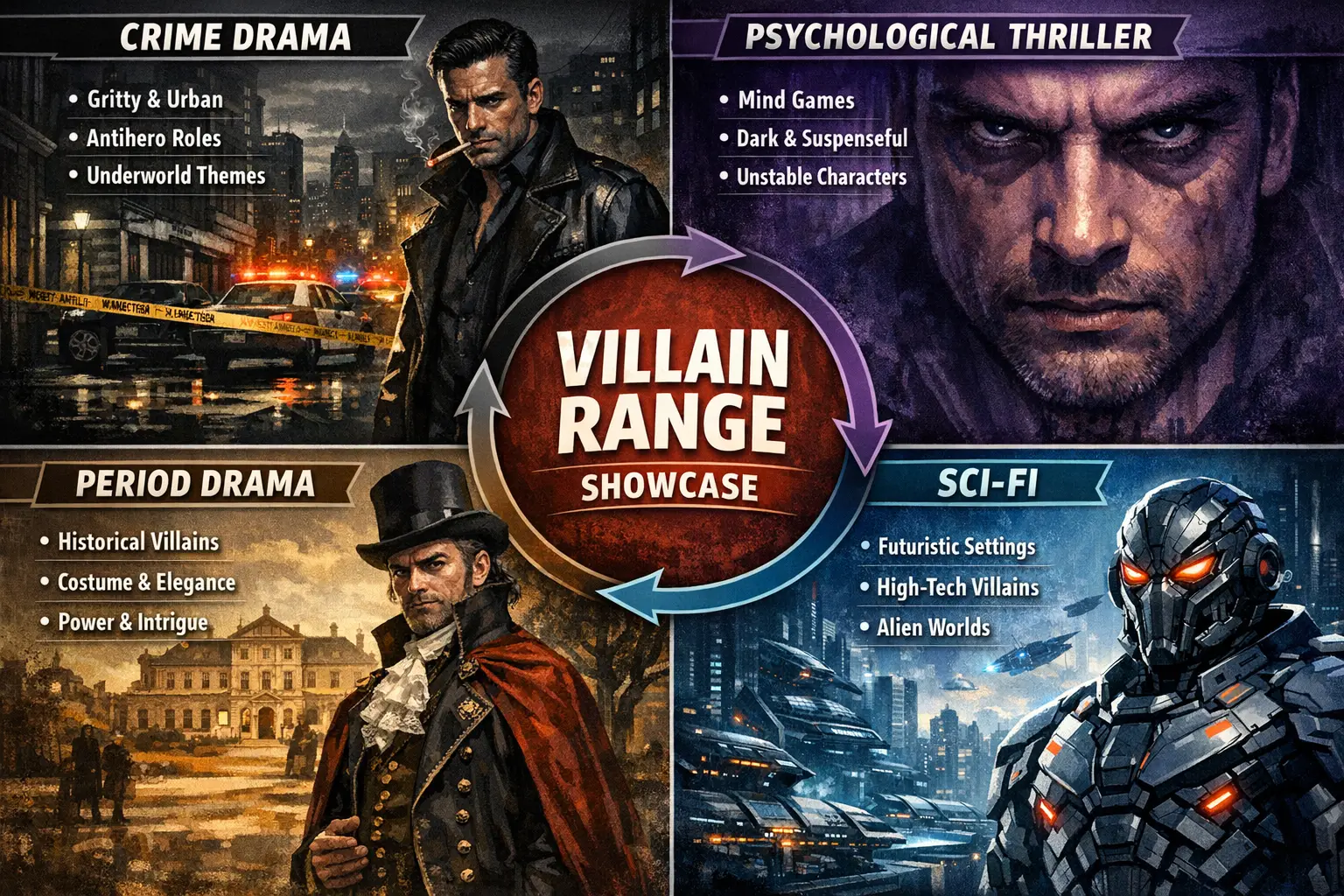
- Genre-specific villain performances across crime dramas, psychological thrillers, period pieces, and sci-fi expand casting opportunities
- Morally messy characters are the most sought-after roles in 2026, making villain edits essential for competitive actors
- Professional editing tools like DaVinci Resolve, Adobe Premiere Pro, and Final Cut Pro enable actors to create broadcast-quality villain reels independently
Understanding the Villain Edit Revolution in 2026 Casting

The entertainment industry has witnessed a fundamental transformation in character preferences. The one-dimensional hero has given way to the complex antagonist, the sympathetic villain, and the morally ambiguous protagonist. This shift reflects audience preferences for nuanced storytelling and layered performances.
Why Casting Directors Want to See Your Dark Side
Casting directors in 2026 are actively seeking actors who can navigate the grey areas of human behavior. The traditional showreel—featuring smiling commercials, romantic scenes, and straightforward dramatic moments—no longer cuts through the noise. Instead, industry professionals want evidence that actors can:
- Portray internal conflict and moral ambiguity convincingly
- Command scenes with intensity and psychological depth
- Transform physically and emotionally into threatening or unsettling characters
- Break type and demonstrate versatility beyond their natural persona
- Sustain complex character arcs that challenge audience sympathies
“The most memorable performances in contemporary television and film come from actors who can make audiences uncomfortable, question their assumptions, and empathize with characters they should despise.” — Industry Insight, 2026
The Psychology Behind Villain-Focused Showreels
When casting directors review hundreds of showreels, they’re looking for memorable moments that demonstrate skill. Villain performances naturally provide these opportunities because they require:
- Heightened emotional stakes that showcase range
- Physicality and presence that command attention
- Subtext and layering that demonstrate craft
- Risk-taking that separates professionals from amateurs
Give Your Reel a Villain Edit: Core Strategies for 2026 Casting Success
Creating an effective villain-focused showreel requires strategic thinking about content selection, editing techniques, and presentation. The goal isn’t to rebrand yourself exclusively as a villain actor, but to demonstrate the full spectrum of your abilities through morally complex material.
Curating Your Morally Messy Moments
The foundation of any villain edit starts with content selection. Review your existing footage—student films, independent projects, theater recordings, self-tapes, and professional work—through a new lens:
What to Look For:
- Scenes where your character makes questionable choices
- Moments of intimidation, manipulation, or deception
- Confrontational dialogue that showcases intensity
- Physical transformations or threatening body language
- Emotional breakdowns that reveal darkness beneath the surface
- Monologues that justify morally complex actions
What to Avoid:
- Generic angry outbursts without context
- Over-the-top performances that lack grounding
- Scenes where you’re simply reacting rather than driving action
- Footage with poor audio or visual quality that can’t be salvaged
- Material that’s too similar in tone or character type
Strategic Editing Techniques for Maximum Impact
Once you’ve identified your strongest villain material, the editing process transforms isolated scenes into a cohesive narrative of range. Here’s how to structure your villain edit for 2026 casting:
The Opening Hook (0-15 seconds)
Start with your most arresting moment—a look, a line delivery, or a physical action that immediately establishes intensity. This could be:
- A chilling threat delivered with calm precision
- A moment of violent action (if appropriate for your brand)
- A psychological manipulation that reveals intelligence
- A transformation from charm to menace
The Range Demonstration (15-90 seconds)
The body of your reel should showcase variety within the villain archetype:
| Villain Type | Characteristics | Example Scenes |
|---|---|---|
| The Manipulator | Charm, intelligence, psychological warfare | Gaslighting dialogue, strategic deception |
| The Broken | Trauma-driven, sympathetic motivations | Emotional vulnerability leading to darkness |
| The Ideologue | Conviction, righteousness, moral certainty | Passionate monologues justifying actions |
| The Predator | Menace, physicality, intimidation | Threatening presence, power dynamics |
| The Chameleon | Adaptability, unpredictability, transformation | Shifting personas, surprising reveals |
The Memorable Exit (90-120 seconds)
Close with a moment that lingers in the viewer’s mind—either your most emotionally complex beat or your most technically impressive performance moment.
Professional Editing Tools for Villain Showreels
Creating a broadcast-quality villain edit requires the right software and technical knowledge. Here are the industry-standard tools actors are using in 2026:
Adobe Premiere Pro ✨
- Industry standard with comprehensive editing features
- Excellent for precise timing and scene transitions
- Robust color grading capabilities for mood enhancement
- Subscription-based: $22.99/month
DaVinci Resolve 🎨
- Professional-grade color correction (essential for villain aesthetics)
- Free version offers remarkable capabilities
- Steep learning curve but exceptional results
- Preferred for creating cinematic, moody atmospheres
Final Cut Pro 🍎
- Mac-exclusive with intuitive interface
- Magnetic timeline for quick rearrangements
- Strong performance with 4K footage
- One-time purchase: $299.99
CapCut Pro 📱
- Emerging platform with AI-assisted editing
- Accessible for beginners with professional results
- Cloud-based collaboration features
- Affordable subscription options
Color Grading for Villain Aesthetics
The visual tone of your villain edit significantly impacts its effectiveness. Color grading transforms ordinary footage into cinematic material that conveys psychological depth:
Techniques for Villain Edits:
- Desaturate slightly to create a more serious, grounded tone
- Crush blacks to add mystery and visual weight
- Cool color temperatures (blues, teals) for psychological distance
- Warm shadows (oranges, ambers) for intimate menace
- High contrast to emphasize dramatic moments
- Vignetting to focus attention on facial expressions
Genre-Specific Villain Strategies for Film and Television
Different genres require distinct villain approaches. Understanding these nuances allows you to tailor your showreel to specific casting opportunities in 2026’s diverse entertainment landscape.
Crime Drama Villains: Grit and Realism
Crime dramas dominate streaming platforms and network television, creating constant demand for grounded, realistic antagonists. These villains feel like people you might encounter, making them more unsettling than fantastical threats.
Key Elements:
- Naturalistic dialogue delivery with regional authenticity
- Understated menace rather than theatrical villainy
- Moral justifications that make sense within the character’s worldview
- Physical realism and believable violence
- Class consciousness and socioeconomic motivation
Showreel Tips: Include scenes that demonstrate your ability to inhabit real-world criminals—drug dealers, corrupt officials, organized crime members, white-collar criminals. Focus on the humanity beneath the criminality.
Psychological Thriller Antagonists: Mind Games
Psychological thrillers require villains who operate through intelligence, manipulation, and psychological warfare rather than physical threat. These performances showcase an actor’s ability to convey subtext and layered motivations.
Key Elements:
- Calm, controlled delivery that contrasts with disturbing content
- Micro-expressions that reveal calculation
- Verbal sparring and intellectual superiority
- Unpredictability and sudden tonal shifts
- Gaslighting and emotional manipulation techniques
Showreel Tips: Highlight moments where your character controls the scene through words and presence rather than action. Include close-ups that capture subtle facial work and eyes that convey hidden agendas.
Period Drama Villains: Historical Complexity
Period pieces offer opportunities to demonstrate range through historical context while embodying timeless villain archetypes. These roles often combine theatrical tradition with contemporary psychological realism.
Key Elements:
- Command of period-appropriate language and speech patterns
- Understanding of historical power dynamics
- Costume and physicality that reflects the era
- Class distinctions and social hierarchies
- Moral frameworks specific to the time period
Showreel Tips: If you have period work, emphasize versatility by contrasting it with contemporary villain material. Demonstrate that your villain work transcends specific eras.
Science Fiction Antagonists: Conceptual Villainy
Sci-fi villains allow actors to explore philosophical questions and extreme circumstances while creating memorable, iconic performances. These roles often require physical transformation and conceptual thinking.
Key Elements:
- Commitment to heightened circumstances and world-building
- Physical transformation through movement and voice
- Exploration of non-human psychology or altered consciousness
- Ideological conflicts and philosophical debates
- Visual spectacle and memorable imagery
Showreel Tips: Balance the fantastical elements with emotional truth. Casting directors want to see that you can ground even the most extreme scenarios in recognizable human behavior.
Advanced Showreel Strategies: Give Your Reel a Villain Edit for Competitive Advantage
Beyond basic villain content, advanced strategies position actors as serious professionals who understand the business of casting in 2026.
The Dual-Reel Strategy
Rather than abandoning your traditional showreel, create a complementary villain-focused edit that serves specific purposes:
Primary Showreel (90-120 seconds):
- Balanced representation of your range
- Includes commercial, dramatic, and comedic work
- Demonstrates versatility and marketability
- Sent for general submissions and representation
Villain Edit (60-90 seconds):
- Focused exclusively on morally complex characters
- Demonstrates depth and risk-taking
- Targeted for specific villain casting calls
- Showcases range within antagonist roles
This approach allows you to customize your submission based on the specific project while maintaining a professional general reel.
Self-Tape Villain Scenes for Reel Enhancement
Many actors lack sufficient villain footage from professional projects. The solution? Create original content specifically for your villain edit through strategic self-taping:
Effective Self-Tape Strategies:
- Select powerful monologues from established villain characters (with appropriate permissions for reel use)
- Film high-qualityself-tapes with professional lighting and sound
- Direct yourself or work with a director to create compelling performances
- Edit seamlessly with existing footage to create cohesive flow
- Clearly label self-generated content if required by industry standards
Recommended Villain Monologues for 2026:
- Contemporary playwrights exploring moral ambiguity
- Classic villain speeches reimagined with fresh interpretation
- Original material written specifically for your type and range
- Adapted scenes from public domain sources
Leveraging Social Media for Villain Content
In 2026, casting directors increasingly discover talent through social media platforms. Creating villain-focused content for digital channels complements your traditional showreel:
Platform-Specific Strategies:
Instagram Reels & TikTok:
- 15-30 second villain character studies
- Transformation videos showing range
- Behind-the-scenes of villain preparation
- Hashtags: #VillainActor #CharacterWork #ActorShowreel
YouTube:
- Full-length villain showreel with chapter markers
- Extended scenes demonstrating sustained performance
- Commentary videos discussing villain preparation
- SEO-optimized titles and descriptions
LinkedIn:
- Professional context for villain work
- Industry articles about character development
- Networking with casting directors and filmmakers
- Establishing expertise in complex characters
Working with Professional Editors
While many actors create their own showreels, professional editing can elevate your villain edit to industry-leading quality:
What Professional Editors Provide:
- Objective perspective on your strongest material
- Advanced color grading and audio mixing
- Industry-standard formatting and technical specifications
- Strategic sequencing for maximum impact
- Connections to casting professionals
Investment Range:
- Basic editing services: $200-$500
- Mid-tier with color grading: $500-$1,200
- Premium with custom graphics: $1,200-$2,500
When to Hire a Professional:
- You have strong footage but lack technical editing skills
- You’re submitting for high-profile opportunities
- You want an outside perspective on content selection
- You need quick turnaround for time-sensitive submissions
Technical Specifications and Industry Standards for 2026
Your villain edit must meet technical requirements that casting directors expect in 2026:
Video Specifications
Resolution: Minimum 1080p (Full HD), 4K preferred for future-proofing Aspect Ratio: 16:9 (standard widescreen) Frame Rate: 24fps (cinematic) or 30fps (broadcast standard) File Format: MP4 (H.264 codec) for maximum compatibility File Size: Under 500MB for easy uploading and streaming Audio: 48kHz sample rate, stereo mix, normalized levels
Reel Structure Standards
Length: 60-120 seconds maximum (shorter is often better) Opening Slate: 2-3 seconds with name and contact information Scene Count: 3-6 distinct scenes or moments Transition Style: Simple cuts or quick fades (avoid flashy effects) Music: Subtle underscore or none (never overpower dialogue) Credits: Brief end slate with representation and website
Distribution Platforms
Casting Networks:
- Actors Access
- Casting Networks (formerly LA Casting)
- Backstage
- Spotlight (UK/Europe)
Video Hosting:
- Vimeo (preferred by industry professionals)
- YouTube (unlisted links for privacy)
- Personal website with embedded player
- Cloud storage with shareable links
Measuring Success: How to Know Your Villain Edit Works
Creating a villain-focused showreel is an investment of time and resources. Tracking effectiveness helps you refine your approach and maximize return on investment:
Metrics to Monitor
Quantitative Indicators:
- Increase in audition requests after reel update
- Callback rates for villain/antagonist roles
- Views and engagement on digital platforms
- Representation interest from agents and managers
- Direct feedback from casting directors
Qualitative Indicators:
- Types of roles you’re being submitted for
- Level of projects requesting your material
- Industry professional comments and reactions
- Confidence in your own presentation
- Alignment between submissions and your goals
Continuous Improvement
Your villain edit should evolve with your career:
- Update quarterly with new footage from recent projects
- Refresh every 6-12 months even without new content
- Adjust based on feedback from industry professionals
- Test different versions for specific casting opportunities
- Archive previous versions to track your progression
Common Mistakes to Avoid in Villain Showreels
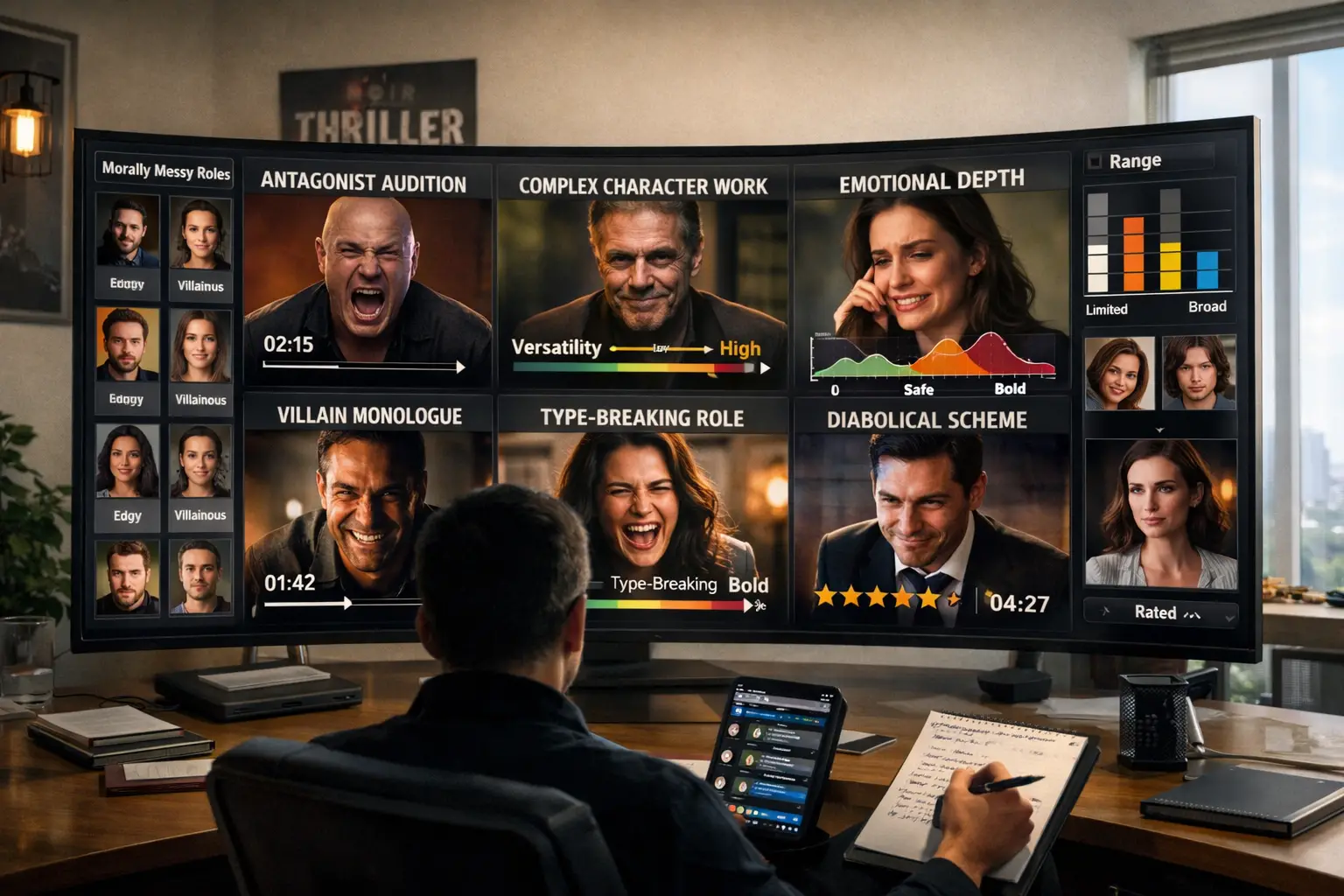
Even experienced actors make errors that undermine their villain edits. Avoiding these pitfalls ensures your reel makes the right impression:
Overacting and Theatrical Excess ❌
The Problem: Confusing “villain” with “over-the-top performance” The Solution: Ground even extreme characters in psychological truth and authentic motivation
Poor Audio Quality ❌
The Problem: Inaudible dialogue or inconsistent sound levels The Solution: Invest in audio cleanup software or professional mixing; dialogue must be crystal clear
Excessive Length ❌
The Problem: Including too much material dilutes impact The Solution: Ruthlessly edit to only your strongest moments; leave them wanting more
Lack of Variety ❌
The Problem: Every scene shows the same type of villain or emotional note The Solution: Demonstrate range within villain archetypes through diverse material
Technical Inconsistency ❌
The Problem: Mixing footage of vastly different visual quality The Solution: Use color grading to create visual cohesion across disparate sources
Missing Context ❌
The Problem: Scenes that confuse viewers about character relationships or stakes The Solution: Brief text slates or careful editing that establishes clear dramatic situations
Future-Proofing Your Villain Edit for Evolving Industry Trends
The entertainment industry continues to evolve rapidly. Anticipating trends ensures your villain edit remains relevant beyond 2026:
Emerging Character Trends
- Eco-villains: Antagonists motivated by environmental collapse
- Tech antagonists: AI ethics, surveillance, and digital manipulation
- Systemic villains: Characters representing institutional failures
- Sympathetic extremists: Ideologically driven characters with understandable motivations
- Anti-corporate rebels: Challenging late-stage capitalism and corporate power
Technology Integration
- AI-assisted editing: Tools that analyze pacing and emotional impact
- Virtual production footage: Demonstrating comfort with LED volume technology
- Motion capture performances: Showcasing versatility in performance capture
- Interactive media: Preparing for gaming and immersive entertainment casting
Diversity and Representation
The industry’s ongoing commitment to authentic representation creates opportunities for actors from all backgrounds to portray complex villains that challenge stereotypes and expand the definition of antagonist characters.
Conclusion: Taking Action on Your Villain Edit Journey
The concept of “Give Your Reel a Villain Edit: Advanced Showreel Strategies for 2026 Casting” represents more than a technical exercise—it’s a fundamental shift in how actors present themselves to an industry hungry for complexity, range, and risk-taking performances. By embracing your darker side and showcasing morally messy characters, you position yourself for the most compelling roles in contemporary entertainment.
Your Next Steps
Immediate Actions (This Week):
- Audit your existing footage for villain-worthy material
- Research editing software and choose the right tool for your skill level
- Identify gaps in your villain portfolio and plan self-tape content
- Study current villain performances across streaming platforms and film
Short-Term Goals (This Month):
- Create your first villain edit using available footage
- Share with trusted colleagues for constructive feedback
- Test different versions with varying content and structure
- Update your casting profiles with the new reel
Long-Term Strategy (This Year):
- Seek villain roles in student films, independent projects, and theater
- Develop a signature villain type while maintaining versatility
- Network with casting directors who specialize in antagonist roles
- Continuously refine your reel as you gain experience and footage
The actors who succeed in 2026 and beyond will be those who embrace complexity, demonstrate range, and take creative risks. Your villain edit is more than a showreel—it’s a declaration that you’re ready for the challenging, nuanced, morally ambiguous characters that define contemporary storytelling.
Start creating your villain edit today, and give casting directors exactly what they’re looking for: an actor who can make audiences uncomfortable, challenge their assumptions, and deliver unforgettable performances that blur the line between hero and villain. 🎭