

The entertainment industry in 2026 is experiencing an unprecedented surge in genre filmmaking. Horror films like Sinners have crossed $367 million globally, while The Conjuring: Last Rites surged past $494 million, proving that audiences crave visceral, emotionally charged storytelling [1]. Meanwhile, science fiction projects like Star Trek Academy and post-apocalyptic thrillers such as 28 Years Later: The Bone Temple are redefining what it means to work in genre entertainment [2]. For actors, directors, and content creators, Preparing for 2026 Genre Booms: Training Drills for Horror, Sci-Fi, and Thrillers has become essential to staying competitive in an industry where traditional boundaries are dissolving and new opportunities are emerging daily.
The landscape has shifted dramatically. YouTuber-directed horror films are now viable box office categories, with Markiplier’s Iron Lung earning over $21 million globally on a nearly $3 million production budget [2]. A24 is backing creator-driven projects like The Backrooms, directed by Kane Pixels, scheduled for 2026 release [2]. This democratization of genre filmmaking means that preparation and specialized training are no longer optional—they’re the difference between landing breakthrough roles and being left behind.
Key Takeaways
- Horror dominance continues: Box office records and streaming viewership demonstrate horror’s sustained commercial viability, with psychological and grief-based subgenres leading the trend [1]
- Creator-driven content is mainstream: YouTube filmmakers are successfully transitioning to theatrical releases, requiring actors to adapt to new production styles and emerging directors [2]
- Genre blending demands versatility: 2026 projects mix horror with romance, sci-fi with social commentary, and thrillers with comedy, requiring performers to master multiple emotional registers [3]
- Specialized training is essential: Post-apocalyptic intensity, cadet dynamics, and psychological depth require specific preparation techniques beyond traditional acting methods
- Franchise opportunities abound: With Scream 7, new Evil Dead installments, and Silent Hill adaptations confirmed, understanding franchise expectations is crucial for career longevity [4]
Understanding the 2026 Genre Landscape
The Horror Revolution 📽️
Horror has evolved from niche entertainment to mainstream dominance. The combined It franchise films have generated $1.1 billion, with the upcoming Welcome to Derry spinoff in development [1]. This isn’t just about jump scares anymore—it’s about sophisticated storytelling that addresses trauma, identity, and systemic critique.
Streaming platforms are amplifying this trend. Stranger Things Season 5 pulled in nearly 60 million views in its first six days, setting the tone for horror’s streaming dominance early in 2025 [1]. The genre has split into distinct subgenres that require different preparation approaches:
| Subgenre | Key Characteristics | Example Projects | Training Focus |
|---|---|---|---|
| Psychological Horror | Trauma-based, identity exploration | Severance | Emotional vulnerability, sustained tension |
| Grief Horror | Loss processing, supernatural elements | The Summoning | Authentic emotional depth, cathartic release |
| Horror-Romance | Romantic relationships with dark elements | Such Sharp Teeth | Chemistry building, tonal balance |
| Workplace Horror | Institutional critique, systemic dread | Severance | Controlled performance, subtle unease |
Sci-Fi’s Contemporary Relevance 🚀
Science fiction in 2026 centers on AI, justice systems, and technology’s societal influence [3]. Projects like Star Trek Academy exemplify this shift, focusing on cadet dynamics, hierarchical structures, and the human element within futuristic settings. This isn’t the sterile, effects-driven sci-fi of previous decades—it’s character-focused storytelling that uses speculative elements to examine real-world concerns.
The elevated approach means actors need to ground fantastical scenarios in authentic human behavior. Understanding power dynamics, institutional loyalty, and the psychology of training environments becomes as important as mastering technical jargon.
Thriller Evolution and Narrative Depth 🎬
Elevated thrillers with narrative depth are prioritizing character development and serious talent alongside plotting [3]. This represents a shift from pure action spectacle toward “action with brains.” The thriller genre in 2026 demands performers who can maintain psychological intensity while executing physical choreography, who understand pacing and tension building at a molecular level.
Preparing for 2026 Genre Booms: Horror Training Drills
Emotional Intensity and Vulnerability Work
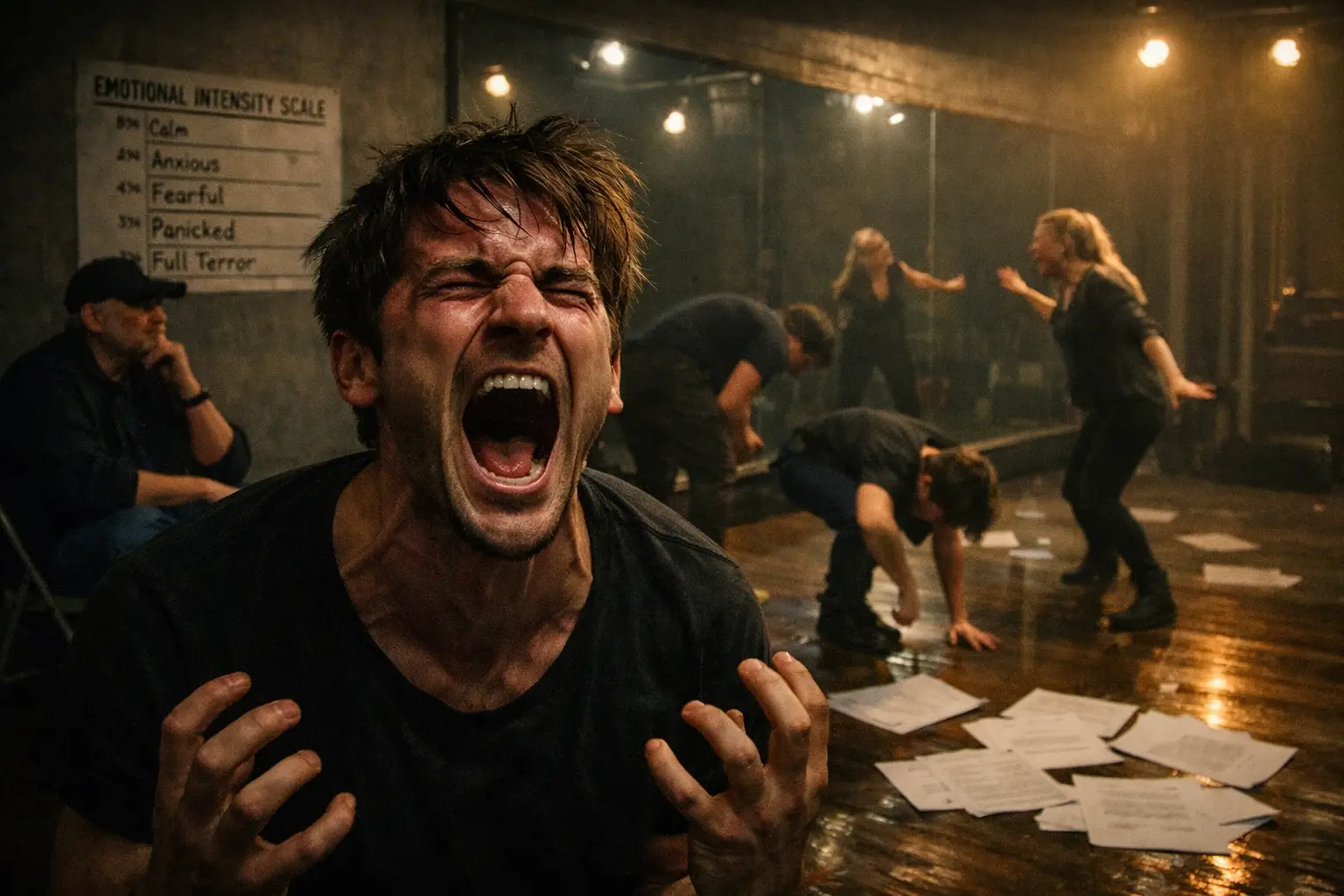
Horror performance in 2026 requires authentic emotional access that goes beyond screaming on cue. The grief horror subgenre, which has grown particularly in the last two years following Hereditary [4], demands performers who can access genuine loss and process it on camera.
Daily Practice Drills:
✅ Emotional Memory Mapping: Spend 15 minutes daily cataloging personal experiences connected to fear, loss, and vulnerability. Create a mental “library” organized by intensity level.
✅ Sustained Terror Exercise: Hold a fear-based emotional state for 3-5 minutes without breaking. Start with 30 seconds and gradually increase duration.
✅ Micro-Expression Control: Practice subtle fear indicators—pupil dilation simulation, breath pattern changes, muscle tension in jaw and shoulders—in front of a mirror.
✅ Cathartic Release Training: Learn to access deep emotional states and return to baseline quickly, essential for multiple takes and long shooting days.
“Horror performance is no longer about external reactions—it’s about internal landscapes made visible. The camera sees everything, and audiences in 2026 demand authenticity.” – Industry Training Standard
Physical Preparation for Horror
Modern horror, especially post-apocalyptic projects like 28 Years Later: The Bone Temple [2], requires significant physical stamina and the ability to maintain emotional intensity while executing demanding choreography.
Specialized Drills:
- Exhaustion Performance: Practice scenes while physically depleted (after cardio workout) to simulate survival scenario authenticity
- Environmental Adaptation: Train in uncomfortable conditions—cold, heat, confined spaces—to build genuine physical responses
- Injury Simulation: Learn to convincingly portray various stages of physical trauma without actual harm
- Breath Control: Master hyperventilation, breath-holding, and controlled breathing for panic sequences
Psychological Horror Techniques
Shows like Severance exemplify horror rooted in institutional critique and identity fragmentation [1]. This requires a completely different skill set than traditional horror.
Advanced Preparation Methods:
- Dissociation Practice: Explore techniques for portraying fractured identity states
- Controlled Numbness: Learn to perform emotional detachment convincingly
- Micro-Tension Maintenance: Hold subtle unease for extended periods without escalation
- Workplace Dynamics Study: Observe real institutional behaviors, power structures, and conformity patterns
Preparing for 2026 Genre Booms: Sci-Fi Training Drills
Cadet Dynamics and Hierarchical Performance
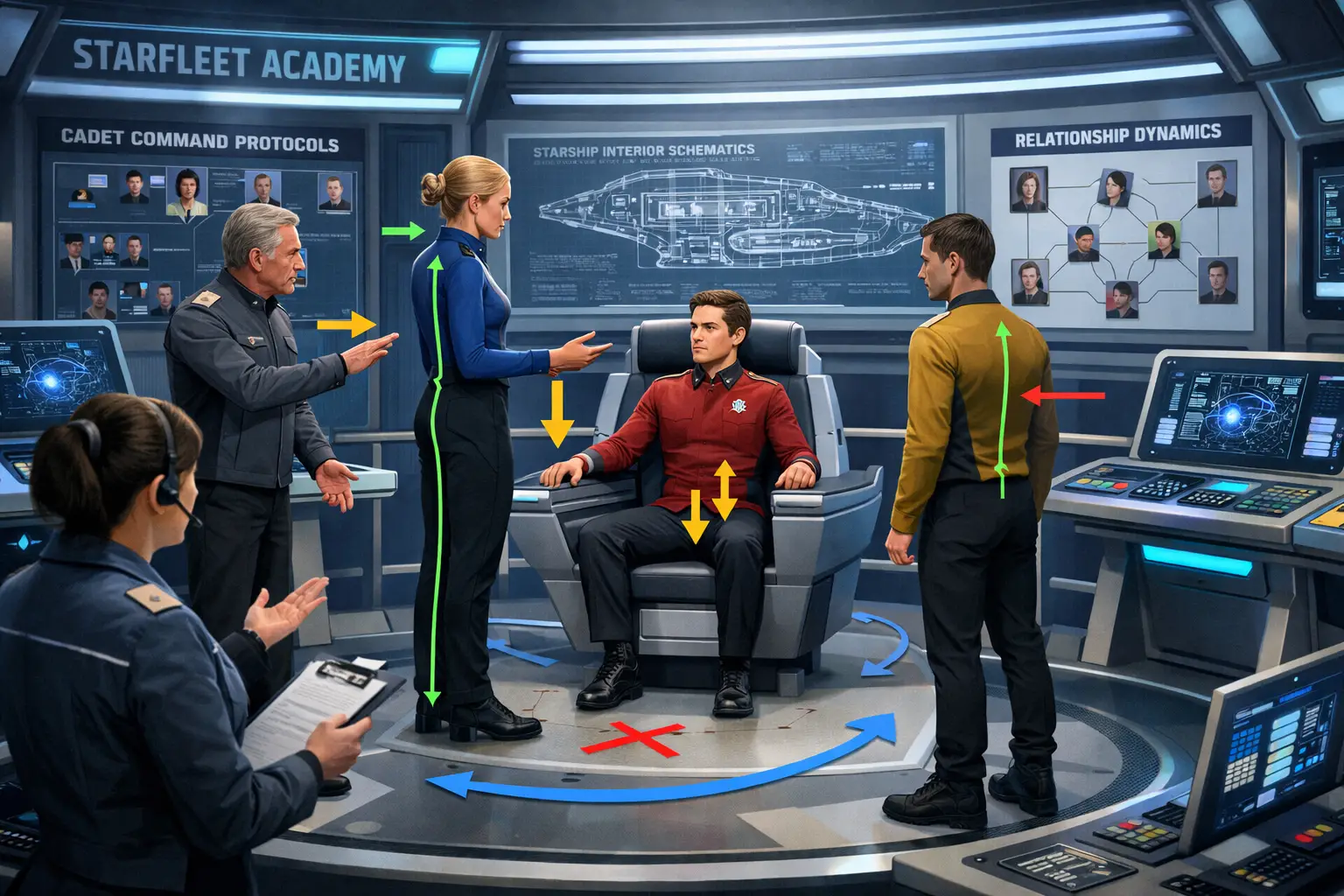
Projects like Star Trek Academy require understanding of military-style hierarchies, institutional loyalty, and training environment psychology. This goes far beyond wearing a uniform—it’s about embodying the mindset of someone shaped by rigorous institutional structures.
Essential Training Components:
Posture and Bearing Work 🎯
- Study military academy documentation and footage
- Practice standing at attention for extended periods
- Master saluting, reporting protocols, and formal address
- Develop muscle memory for rank-appropriate behavior
Authority Relationship Drills:
- Practice both receiving and giving orders with appropriate gravitas
- Explore the psychology of deference versus leadership
- Understand how institutional pressure affects decision-making
- Study real cadet testimonials about academy life
Technical Language Mastery:
- Create flashcard systems for sci-fi terminology
- Practice technical dialogue until it becomes natural speech
- Record yourself and identify moments where jargon sounds forced
- Study actual space program communications for authentic delivery patterns
Futuristic Movement and Spatial Awareness
Science fiction environments—spacecraft, space stations, zero-gravity simulations—require specialized movement vocabulary that differs from naturalistic performance.
Physical Preparation Exercises:
- Weight Simulation: Practice movement as if wearing heavy equipment or experiencing different gravity
- Confined Space Work: Rehearse in tight quarters to develop authentic spatial awareness
- Technical Interaction: Create muscle memory for interacting with imagined control panels and holographic displays
- Group Choreography: Coordinate with ensemble for believable crew dynamics and emergency protocols
Grounding Speculative Scenarios
The key to elevated sci-fi performance in 2026 is finding the human truth within fantastical circumstances [3]. Audiences connect with authentic emotion, not special effects.
Grounding Techniques:
✨ Circumstance Translation: Convert sci-fi scenarios into relatable human experiences (e.g., first day at space academy = first day at any prestigious institution)
✨ Relationship Anchoring: Focus on character relationships rather than technological elements
✨ Objective Clarity: Ensure every scene has a clear, human-scale objective regardless of setting
✨ Sensory Specificity: Develop detailed sensory responses to imagined environments
Preparing for 2026 Genre Booms: Thriller Training Drills
Post-Apocalyptic Intensity Development
28 Years Later: The Bone Temple, despite underperforming at the box office, received strong critical reception [2], demonstrating that audiences and critics value authentic intensity and commitment in post-apocalyptic storytelling.
Intensity Building Program:
Week 1-2: Baseline Survival Mindset
- Study real survival situations and survivor testimonials
- Practice constant environmental scanning and threat assessment
- Develop hypervigilance physicality without appearing theatrical
- Create backstory of prolonged stress and resource scarcity
Week 3-4: Physical Deterioration
- Incorporate authentic fatigue markers into performance
- Practice movement with simulated injuries or malnutrition
- Develop vocal changes consistent with dehydration or exhaustion
- Master the balance between weakness and survival determination
Week 5-6: Emotional Complexity
- Layer hope and despair simultaneously
- Practice moral compromise scenarios
- Explore desensitization to violence while maintaining humanity
- Develop authentic trauma responses and triggers
Psychological Thriller Precision
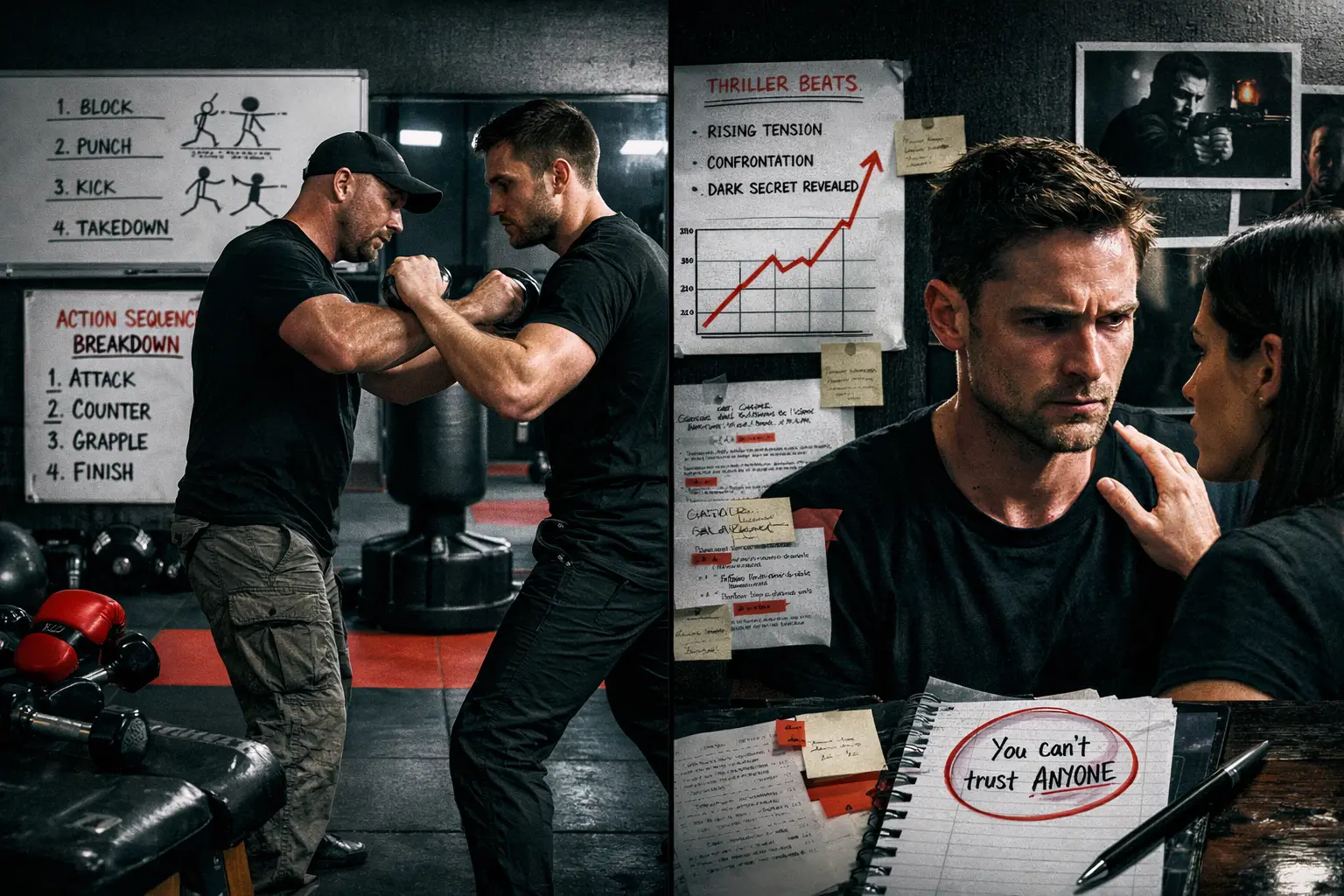
Elevated thrillers demand micro-level control over performance choices. Every glance, pause, and gesture contributes to mounting tension.
Precision Training Methods:
📊 Beat Mapping: Break scenes into moment-by-moment intention shifts 📊 Subtext Layering: Practice delivering lines with multiple contradictory meanings 📊 Tension Escalation: Chart precise emotional progression from scene beginning to climax 📊 Stillness Power: Master the use of strategic pauses and minimal movement for maximum impact
Action Choreography Integration
Modern thrillers combine psychological depth with physical action [3]. The days of separating “acting scenes” from “action scenes” are over—2026 thrillers demand seamless integration.
Integrated Training Approach:
- Stunt Collaboration: Work closely with stunt coordinators during character development, not just fight scenes
- Emotional Continuity: Maintain character psychology through physical sequences
- Breath and Adrenaline: Learn authentic physiological responses to combat and chase scenarios
- Recovery Portrayal: Study how real bodies respond after violent encounters
Cross-Genre Skills for 2026 Success
Genre Blending Mastery
Studios are creating hybrid films that blend horror with sci-fi, mix thrillers with comedy elements, and appeal to multi-generational audiences [3]. This mainstream strategy means performers must be comfortable shifting between genre conventions within single projects.
Versatility Development:
🎭 Tonal Flexibility Training: Practice scene work that shifts from horror to humor to action within minutes
🎭 Audience Awareness: Understand how different genre elements create specific audience responses
🎭 Style Integration: Learn to blend naturalistic performance with heightened genre conventions
🎭 Quick Adjustment Capability: Develop the ability to take direction that shifts genre emphasis mid-scene
Creator-Driven Production Adaptation
The success of YouTuber-directed films like Chris Stuckmann’s Shelby Oaks, which earned $6.6 million worldwide on a $2.8 million budget [2], signals a new production paradigm. A24’s backing of The Backrooms by Kane Pixels further legitimizes this trend [2].
Adapting to New Directors:
- Collaborative Mindset: Creator-directors often welcome input differently than traditional filmmakers
- Efficient Takes: Lower budgets mean fewer shooting days—nail performances quickly
- Digital Native Storytelling: Understand pacing and visual language influenced by online content
- Authentic Enthusiasm: Creator-driven projects thrive on genuine passion—bring matching energy
Franchise Awareness and Longevity
With confirmed 2026 releases including Scream 7, Wolf Creek sequel, new Evil Dead installment, and Silent Hill adaptation [4], understanding franchise expectations is crucial.
Franchise Preparation Strategies:
| Franchise Type | Key Requirements | Preparation Focus |
|---|---|---|
| Legacy Horror | Respect for established mythology | Study previous installments, understand fan expectations |
| Reboot/Adaptation | Fresh take while honoring source | Balance innovation with recognition of original material |
| Sequel/Continuation | Consistency with established world | Character continuity, tonal matching, mythology knowledge |
Industry Opportunities and Market Positioning
Box Office Viability Indicators
Sam Raimi’s Send Help achieved an impressive opening weekend of $27.2 million worldwide [2], demonstrating that original genre content with established directors remains commercially viable. Combined with the success of creator-driven projects, the market shows multiple viable paths.
Strategic Career Positioning:
✔️ Diversify Genre Experience: Don’t specialize too narrowly—the market rewards versatility
✔️ Build Creator Relationships: Network with emerging YouTuber-filmmakers before they’re established
✔️ Franchise Audition Preparation: Maintain ready audition material for major franchise opportunities
✔️ Independent Project Balance: Mix studio franchise work with creator-driven independent films
Streaming vs. Theatrical Considerations
Stranger Things Season 5’s nearly 60 million views in six days [1] versus theatrical releases demonstrates the dual-track nature of 2026 genre entertainment. Preparation must account for both mediums.
Medium-Specific Training:
For Streaming Projects:
- Sustained character development across multiple episodes
- Subtle performance choices that reward close viewing
- Long-form narrative arc understanding
- Binge-watching pacing awareness
For Theatrical Releases:
- Immediate impact and audience connection
- Larger physical and vocal choices for big screen
- Trailer-moment awareness
- Opening weekend performance energy
Advanced Preparation Resources
Building Your Training Program
Creating a comprehensive preparation routine for Preparing for 2026 Genre Booms: Training Drills for Horror, Sci-Fi, and Thrillers requires systematic approach and consistent practice.
12-Week Intensive Program Structure:
Weeks 1-4: Foundation Building
- Daily emotional availability exercises (30 minutes)
- Physical conditioning for genre demands (45 minutes)
- Genre film analysis (1 hour, 3x weekly)
- Technical skill development (varied based on genre focus)
Weeks 5-8: Specialization
- Focus on primary genre (horror, sci-fi, or thriller)
- Advanced technique work specific to chosen focus
- Scene study from 2026 projects
- Collaboration with other performers on genre material
Weeks 9-12: Integration and Application
- Cross-genre scene work
- Self-tape preparation for actual auditions
- Showcase development
- Industry networking and positioning
Essential Study Materials
📚 Horror Study List:
- Hereditary (grief horror foundation)
- Severance (psychological/workplace horror)
- The Conjuring franchise (traditional horror excellence)
- Recent A24 horror catalog (elevated horror trends)
📚 Sci-Fi Study List:
- Star Trek series (institutional dynamics)
- Contemporary AI-focused narratives
- Hard sci-fi with grounded performances
- Space academy and training environment documentation
📚 Thriller Study List:
- Elevated action-thrillers with character depth
- Psychological thrillers with minimal dialogue
- Post-apocalyptic survival narratives
- Genre-blending hybrid examples
Professional Development Networks
Building connections within the creator-driven content ecosystem is increasingly important. Kane Pixels’ 2.78 million YouTube subscribers translated directly into A24 backing for The Backrooms [2].
Networking Strategies:
- Engage authentically with emerging creator-filmmakers’ content
- Attend genre film festivals and creator-focused events
- Develop your own content creation skills and online presence
- Join genre-specific acting workshops and training intensives
Audition Strategies for 2026 Genre Projects
Self-Tape Excellence
Most initial auditions occur via self-tape, requiring technical proficiency and strong choices that read clearly on camera.
Self-Tape Best Practices for Genre Work:
🎥 Horror Self-Tapes:
- Ensure lighting supports mood without obscuring performance
- Demonstrate emotional range and vulnerability
- Show ability to sustain intensity
- Include slate that demonstrates personality contrast
🎥 Sci-Fi Self-Tapes:
- Clean, professional technical setup
- Confident delivery of technical dialogue
- Clear character choices grounded in human truth
- Demonstrate understanding of hierarchical dynamics
🎥 Thriller Self-Tapes:
- Showcase physical capability alongside emotional work
- Demonstrate tension-building skills
- Show range from stillness to explosive action
- Prove ability to maintain intensity across multiple takes
Callback Preparation
Callbacks for major 2026 genre projects often involve chemistry reads, physical testing, and director sessions that go beyond traditional audition formats.
Advanced Callback Strategies:
- Research the director’s previous work and visual style thoroughly
- Prepare multiple interpretation options for adjustment
- Bring physical readiness for potential movement/stunt testing
- Demonstrate collaborative spirit and professional flexibility
Conclusion: Actionable Next Steps
The unprecedented boom in horror, sci-fi, and thriller content throughout 2026 represents a golden opportunity for prepared performers. With horror films crossing hundreds of millions globally [1], creator-driven projects earning impressive returns [2], and streaming platforms investing heavily in genre content [1], the market has never been more receptive to skilled genre performers.
Immediate Action Steps:
- Assess Your Current Strengths: Identify which genre aligns best with your natural abilities and interests
- Develop a 12-Week Training Plan: Use the framework provided to create your personalized preparation program
- Build Your Study Library: Acquire and analyze the essential genre films and series mentioned throughout this article
- Create Genre-Specific Audition Material: Prepare self-tape scenes that showcase your genre capabilities
- Network Strategically: Connect with emerging creator-filmmakers and genre-focused industry professionals
- Stay Current: Monitor 2026 release announcements and adjust preparation accordingly
- Practice Cross-Genre Versatility: Don’t limit yourself to single genre—the market rewards flexibility
The landscape is clear: Preparing for 2026 Genre Booms: Training Drills for Horror, Sci-Fi, and Thrillers is not optional for serious performers. Projects like 28 Years Later, Star Trek Academy, and the numerous franchise sequels confirmed for 2026 [4] demand specialized skills that traditional training often doesn’t provide.
Start today. The roles are being cast now. The creators are building their teams. The opportunities are unprecedented. Your preparation—or lack thereof—will determine whether you’re part of this genre revolution or watching from the sidelines.
The 2026 genre boom is here. Are you ready? 🎬
References
[1] New Trends In Horror For 2026 – https://open.substack.com/pub/mksholundauthor/p/new-trends-in-horror-for-2026?r=4oxsu7
[2] Horror Movies 2026 Youtuber Iron Lung Success Trend – https://screenrant.com/horror-movies-2026-youtuber-iron-lung-success-trend/
[3] The Movies To Watch In 2026 Thrills Chills And Animated Fun – https://www.scopeweekly.com/2026/02/the-movies-to-watch-in-2026-thrills-chills-and-animated-fun/
[4] Watch – https://www.youtube.com/watch?v=JhB25GLpLrA
[5] 2026 Most Anticipated Fantasy Sci Fi And Horror Book Releases – https://www.grimdarkmagazine.com/2026-most-anticipated-fantasy-sci-fi-and-horror-book-releases/
[6] The 20 Most Anticipated Horror Movies Of 2026 – https://www.timeout.com/film/the-20-most-anticipated-horror-movies-of-2026
[7] Best Thriller Movies 2026 – https://www.marieclaire.com/culture/movies/best-thriller-movies-2026/
[8] 10 Speculative Mysteries And Thrillers To Check Out In 2026 – https://crimereads.com/10-speculative-mysteries-and-thrillers-to-check-out-in-2026/