

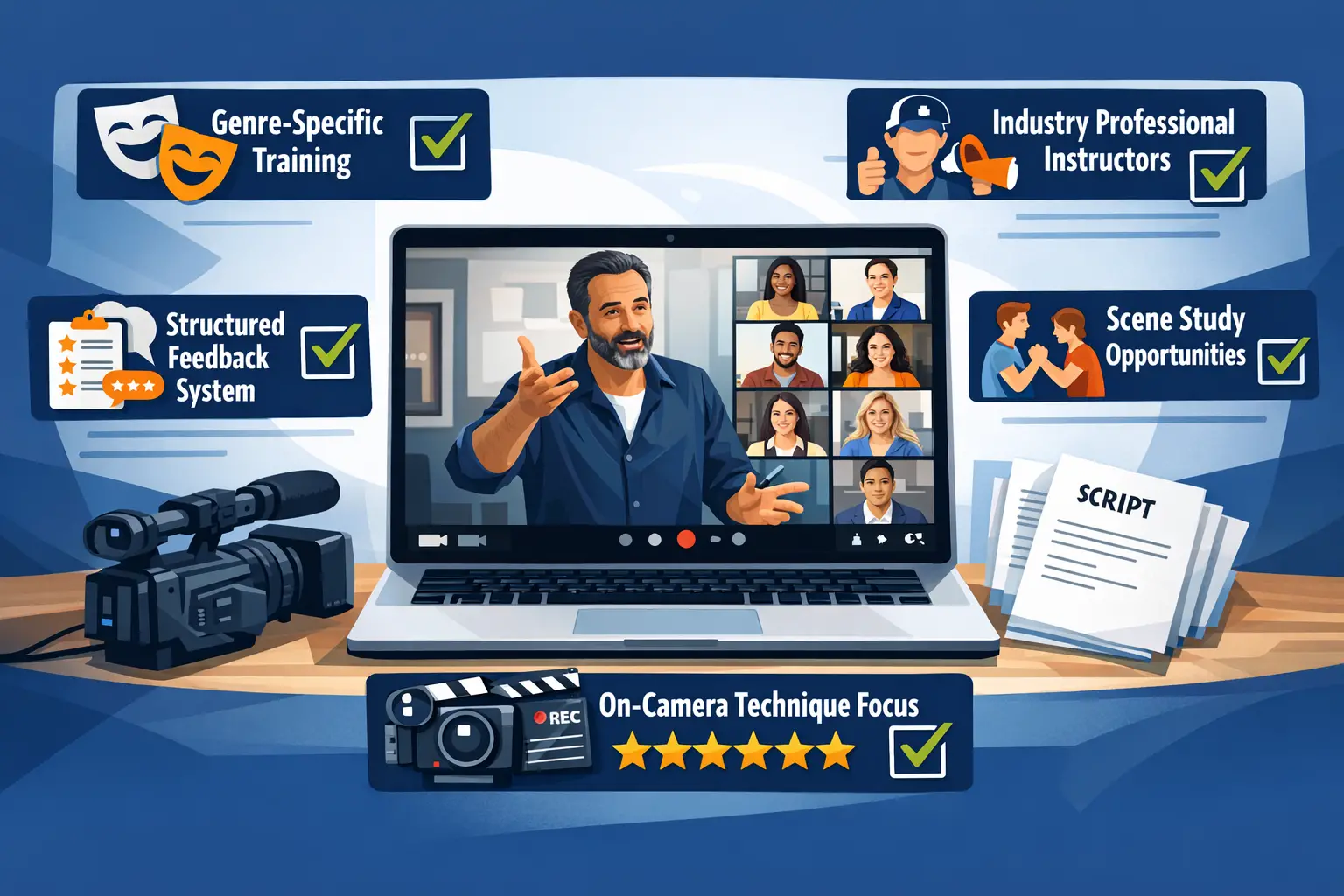
The digital revolution has transformed actor training forever. In 2026, aspiring performers can access world-class instruction from their living rooms, connecting with industry professionals across continents with just a few clicks. Yet this accessibility comes with hidden traps that can derail careers before they even begin. Understanding the Top 6 Mistakes to Avoid in Online Acting Classes for Film and TV in 2026 can mean the difference between launching a successful career and wasting years on ineffective training.
The online acting education landscape has exploded with options, but not all programs deliver Hollywood-standard results. Many actors invest thousands of dollars and countless hours into virtual training that fails to prepare them for the realities of professional film and television work. The stakes have never been higher, as casting directors increasingly expect polished, camera-ready performances from the first audition.
This comprehensive guide breaks down the critical pitfalls that trap aspiring actors in online training programs, from ignoring genre-specific trends to accepting poor feedback structures. More importantly, it provides actionable alternatives and evaluation checklists to help actors identify truly professional online training that meets industry standards.
Key Takeaways
Professional materials matter more than talent alone – Poor quality headshots, weak self-tapes, and misformatted résumés can eliminate actors from consideration before they demonstrate their abilities.
Genre-specific training is essential – Generic acting classes fail to address the unique technical demands of film and TV performance, including on-camera technique and contemporary casting trends.
Structured feedback systems separate the good from the bad – Effective online acting classes must provide detailed, actionable critique that mirrors industry-standard direction.
Preparation timing matters critically – Pursuing auditions before completing adequate training can damage your reputation and wastes valuable industry opportunities.
Evaluation requires specific criteria – Actors need concrete checklists to assess instructor credentials, curriculum structure, and alignment with current industry practices.
Understanding the Stakes: Why These Mistakes Matter

The film and television industry has undergone seismic shifts in recent years. Streaming platforms dominate content production, self-tape auditions have become standard practice, and casting directors review hundreds of submissions for single roles. In this hyper-competitive environment, every detail of an actor’s presentation matters.
Online acting classes offer unprecedented convenience and access to top-tier instruction. However, the virtual format also creates unique challenges that traditional in-person training doesn’t face. Actors must master on-camera technique without the immediate physical presence of instructors, develop self-direction skills for home studio setups, and translate virtual feedback into tangible performance improvements [3].
The consequences of choosing the wrong online acting program extend beyond wasted money. Poor training can instill bad habits that take years to unlearn, create gaps in essential skills that become apparent during professional auditions, and damage an actor’s reputation through substandard submissions to industry professionals.
Mistake #1: Enrolling Without Verifying Instructor Credentials and Industry Experience
The first critical error actors make when selecting online acting classes involves failing to thoroughly research instructor backgrounds. The virtual nature of online education makes it easier for unqualified individuals to present themselves as industry experts. In 2026, anyone with a camera and a website can claim to offer professional acting training.
What to Look For in Qualified Instructors
Legitimate film and TV acting instructors should possess:
- Documented professional credits in film, television, or theatre
- Recent industry experience (within the past 5-10 years)
- Specifictraining in on-camera technique, not just stage performance
- Connections to working casting directors and industry professionals
- Verifiable testimonials from students who have booked professional work
The distinction between stage acting and screen acting cannot be overstated. Many online programs are taught by instructors with primarily theatrical backgrounds who lack the technical knowledge required for film and TV performance. Screen acting demands subtle, naturalistic choices that read authentically on camera, while stage training emphasizes projection and broader physicality [4].
Red Flags to Avoid
🚩 Instructors who cannot provide IMDb links or verifiable credits
🚩 Programs taught by individuals whose last professional work was decades ago
🚩 Classes that focus exclusively on stage technique without camera work
🚩 Instructors who have never worked with professional casting directors
🚩 Programs that refuse to provide student success stories or placement rates
Before investing in any online acting program, actors should spend time researching the instructor’s background as thoroughly as they would research a potential agent or manager. This due diligence prevents wasting time and money on training that won’t translate to professional opportunities.
Mistake #2: Choosing Programs That Ignore Current Genre Trends and Industry Standards
The second major pitfall in the Top 6 Mistakes to Avoid in Online Acting Classes for Film and TV in 2026 involves selecting programs that teach outdated techniques or ignore contemporary casting trends. The entertainment industry evolves rapidly, with shifting genre preferences, changing performance styles, and new technical requirements emerging constantly.
The Genre-Specific Training Gap
Many online acting classes offer generic instruction that fails to address the specific demands of different film and TV genres. A dramatic performance style appropriate for prestige cable dramas differs significantly from the comedic timing required for streaming sitcoms or the naturalistic approach needed for documentary-style content.
Effective online acting programs in 2026 should include:
| Training Component | Why It Matters |
|---|---|
| Genre-specific scene work | Different genres require distinct performance approaches |
| Contemporary material | Practicing with current scripts reflects actual audition material |
| Self-tape technique | Industry-standard audition format requires specific technical skills |
| Streaming platform aesthetics | Understanding production styles for Netflix, Amazon, Apple TV+, etc. |
| Diverse casting perspectives | Awareness of inclusive casting trends and authentic representation |
Actors who train exclusively with classical material or outdated performance styles find themselves unprepared for contemporary auditions. Casting directors in 2026 expect performers who understand current storytelling trends, can deliver naturalistic performances that feel authentic on camera, and possess the technical skills to create professional-quality self-tapes [4].
Evaluating Curriculum Relevance
When assessing online acting programs, actors should ask:
- Does the curriculum include scenes from shows currently in production?
- Are students trained in self-tape best practices with current technology?
- Does the program address specific genre requirements (drama, comedy, thriller, etc.)?
- Are students exposed to contemporary casting trends and industry expectations?
- Does the training include feedback on professional materials like headshots and résumés?
Programs that rely solely on Shakespeare monologues or classic film scenes, while valuable for foundational training, fail to prepare actors for the realities of modern film and TV auditions. The most effective online classes balance timeless technique with contemporary application.
Mistake #3: Accepting Programs With Inadequate Feedback Structures
The third critical error involves enrolling in online acting classes that lack robust, structured feedback systems. The virtual format inherently creates distance between instructors and students, making quality feedback even more essential than in traditional in-person classes.
Why Feedback Quality Determines Training Effectiveness
Acting is a craft that improves through iterative practice and specific correction. Without detailed, actionable feedback, actors cannot identify what’s working, what needs adjustment, or how to refine their choices. Poor feedback structures in online programs lead to:
- Repeated mistakes that become ingrained habits
- Unclear performance objectives that leave actors guessing about improvement areas
- Lack of accountability for implementing corrections
- Missed opportunities to develop self-direction skills
- Frustration and confusion about performance quality
Quality online acting programs implement multiple feedback mechanisms that compensate for the lack of physical presence. These should include live video feedback during class sessions, recorded performance reviews that students can reference repeatedly, written notes on specific moments and choices, and one-on-one coaching sessions for personalized guidance [3].
Evaluating Feedback Systems Before Enrollment
Essential questions to ask prospective online acting programs:
- What is the student-to-instructor ratio during live sessions?
- How much individual attention does each student receive per class?
- Are performances recorded for later review and self-assessment?
- Does the program provide written feedback in addition to verbal notes?
- Are there opportunities for follow-up questions and clarification?
- How does the program track student progress over time?
- Do students receive feedback on self-tapes and audition materials?
Programs that primarily consist of large group sessions with minimal individual attention fail to provide the personalized guidance necessary for meaningful improvement. The most effective online classes maintain small cohorts, dedicate substantial time to individual performance review, and create systems for ongoing feedback between sessions.
The Danger of “Yes” Culture
Some online acting programs cultivate an overly supportive environment where all choices receive praise regardless of quality. While encouragement is valuable, actors need honest, professional feedback that mirrors the standards they’ll encounter in actual auditions and on professional sets. Instructors who avoid difficult conversations about performance weaknesses or technical deficiencies do students a profound disservice [2].
Professional actors must develop thick skin and the ability to implement direction quickly. Online training programs that fail to challenge students or provide critical feedback leave them unprepared for the realities of professional work, where directors expect immediate adjustments and casting directors make split-second decisions based on subtle performance details.
Mistake #4: Neglecting Professional Materials and Technical Presentation
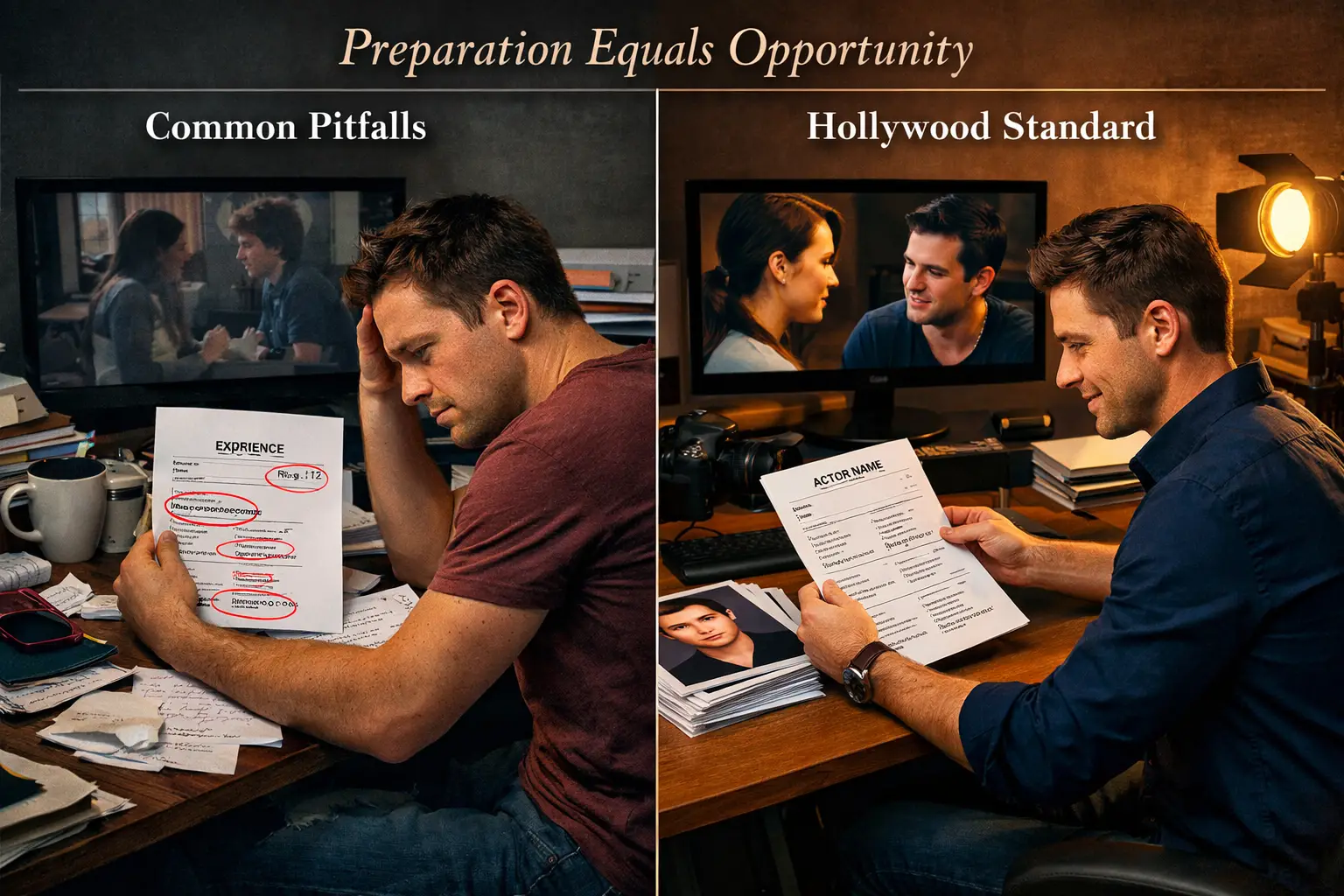
The fourth mistake in the Top 6 Mistakes to Avoid in Online Acting Classes for Film and TV in 2026 involves pursuing training without simultaneously developing professional-quality materials. Many actors focus exclusively on performance skills while neglecting the business tools essential for career success.
The Professional Materials Trifecta
Three elements form the foundation of an actor’s professional presentation:
1. Headshots
Professional headshots serve as an actor’s calling card and first impression with casting directors. Poor quality headshots eliminate actors from consideration before their talent is evaluated. Common headshot mistakes include:
- Using selfies or photos taken by non-professional photographers
- Over-filtering or heavily editing images that don’t resemble the actor
- Wearing distracting clothing or accessories
- Choosing backgrounds that pull focus from the face
- Submitting outdated photos that no longer reflect current appearance
Quality headshots in 2026 require professional photographers who specialize in actor headshots, natural lighting that flatters the actor’s features, simple, neutral backgrounds that don’t distract, current styling that reflects the actor’s type and brand, and authentic expressions that convey personality and castability.
2. Résumés
An actor’s résumé must follow industry-standard formatting and present credits professionally. Misformatted résumés signal inexperience and lack of industry knowledge. Critical résumé elements include:
| Section | Requirements |
|---|---|
| Contact Information | Name, union status, representation (if applicable) |
| Physical Stats | Height, weight, hair color, eye color |
| Credits | Organized by category (Film, Television, Theatre, Training) |
| Training | Acting classes, workshops, degrees with instructor names |
| Special Skills | Genuine abilities relevant to casting (accents, sports, etc.) |
Actors should never inflate credits, list student films as professional work without context, include irrelevant non-acting jobs, or use unprofessional fonts or formatting [4].
3. Self-Tapes
Self-tape auditions have become the industry standard in 2026. Weak self-tapes represent the most common reason talented actors fail to book roles. Technical quality matters as much as performance quality. Essential self-tape elements include:
✅ Proper lighting – Three-point lighting or natural window light
✅ Clean audio – External microphone or quiet recording environment
✅ Neutral background – Solid color wall without distractions
✅ Correct framing – Appropriate shot size for the material
✅ Professional file format – Industry-standard video specifications
✅ Clear slate – Professional introduction with name and location
Integration With Online Training
The best online acting programs incorporate professional materials development into their curriculum. This includes headshot coaching and selection guidance, résumé formatting workshops, self-tape technical training, and feedback on audition submissions. Programs that focus exclusively on performance without addressing these business essentials leave actors unprepared for professional pursuit [2].
Actors should seek online classes that treat professional materials as integral to training, not afterthoughts. The ability to create compelling self-tapes with proper technical execution is now as essential as scene study or character analysis.
Mistake #5: Pursuing Auditions Before Completing Adequate Training
The fifth critical error involves overestimating readiness and submitting to professional opportunities before completing sufficient training. The eagerness to begin auditioning is understandable, but premature professional pursuit damages reputation and wastes valuable opportunities.
The Readiness Assessment
Many actors struggle to objectively evaluate their own skill level. The Dunning-Kruger effect—where beginners overestimate their competence—is particularly common in acting, where subjective interpretation makes self-assessment challenging. Actors often believe they’re ready for professional auditions after just a few months of online classes, when industry-level competence typically requires years of dedicated training.
Signs an actor needs more training before professional pursuit:
- Difficulty taking direction and implementing adjustments quickly
- Inconsistent performance quality across different scenes or genres
- Technical deficiencies in on-camera presence or self-tape creation
- Limited range or inability to access authentic emotions
- Weak understanding of script analysis and character development
- Lack of professional materials or industry knowledge
- Inability to make strong, specific choices without extensive guidance
Professional casting directors can identify undertrained actors within seconds of viewing a self-tape. Submitting before achieving genuine readiness creates a negative first impression that can be difficult to overcome. The entertainment industry has a long memory, and casting directors remember actors who waste their time with unprepared auditions [2].
The Training Timeline Reality
While individual progress varies, most actors require 2-3 years of consistent training before achieving professional competency in film and TV performance. This timeline includes:
- Foundational technique (6-12 months): Basic scene study, character analysis, script interpretation
- On-camera specialization (12-18 months): Camera technique, self-tape skills, genre-specific work
- Professional preparation (6-12 months): Audition technique, cold reading, industry business skills
- Ongoing development: Continuous training even after booking professional work
Online acting classes can accelerate certain aspects of this timeline through flexible scheduling and focused instruction, but they cannot replace the hours of practice and repetition required to develop genuine skill. Actors should resist the temptation to rush the process and instead focus on building a solid foundation that will support a long-term career [3].
The Cost of Premature Pursuit
Arguing with industry professionals or ignoring guidance about readiness represents a particularly damaging version of this mistake. When casting directors, agents, or experienced instructors suggest an actor needs more training, that feedback should be taken seriously. Actors who insist they’re ready despite professional advice often:
- Burn bridges with industry contacts who could help later
- Develop reputations as difficult or unrealistic
- Miss opportunities to learn from constructive criticism
- Waste time pursuing auditions they’re not equipped to book
- Experience frustration and discouragement that could be avoided
The most successful actors approach their careers with humility and patience, recognizing that training is an ongoing process that continues throughout their professional lives.
Mistake #6: Using Wrong or Weak Footage for Reels and Submissions
The final mistake in the Top 6 Mistakes to Avoid in Online Acting Classes for Film and TV in 2026 involves submitting inappropriate footage as demonstration of acting ability. Many actors compile reels featuring weak student film work, poor production quality, or material that doesn’t showcase their strengths.
The Footage Hierarchy
Not all acting footage carries equal weight with casting professionals. Understanding the hierarchy of footage value helps actors make strategic choices about what to include in reels and submissions:
Highest Value:
- Professional film and television credits with recognizable production quality
- Well-produced scenes with strong writing and direction
- Footage that demonstrates range across different genres
- Material that showcases the actor’s specific type and brand
Moderate Value:
- High-quality student films with professional production values
- Well-executed scene study work filmed specifically for reel purposes
- Showcase material produced with professional crews
Lowest Value:
- Poorly produced student films with weak writing or direction
- Footage where the actor delivers a strong performance but production quality is distracting
- Material that doesn’t align with the actor’s current type or marketability
- Scenes that showcase other actors more prominently
The Student Film Trap
Many actors fill their reels with student film footage simply because it’s available, not because it represents their best work. While student films can provide valuable on-set experience, they often feature weak scripts, inexperienced directors, and poor production quality that undermines the actor’s performance.
Questions to ask before including student film footage:
- Does the production quality meet professional standards?
- Does the writing showcase the actor’s abilities effectively?
- Is the actor the clear focus of the scene?
- Does the footage demonstrate skills relevant to professional casting?
- Would a casting director be impressed or distracted by the material?
When student film footage fails these criteria, actors are better served by creating professionally produced scene work specifically for reel purposes. Many online acting programs now offer reel scene production as part of their curriculum, providing actors with high-quality footage that demonstrates their abilities without the compromises inherent in student productions [4].
Strategic Footage Selection
The most effective actor reels in 2026 follow these principles:
📹 Quality over quantity – Two excellent scenes beat five mediocre ones
📹 Genre diversity – Demonstrate range across dramatic, comedic, and thriller material
📹 Type alignment – Feature material that matches how the actor will be cast
📹 Technical excellence – Ensure professional sound, lighting, and editing
📹 Current relevance – Include material that reflects contemporary production styles
Online acting classes that help students develop strategic footage plans provide significant value beyond performance training. The ability to curate and present work effectively is a crucial business skill that separates working actors from perpetual students.
Evaluating Online Acting Programs: A Comprehensive Checklist
To avoid the mistakes outlined above, actors need concrete criteria for assessing online acting programs before enrollment. This checklist provides a systematic approach to program evaluation:
Instructor Qualifications
- Verified professional film/TV credits within the past 10 years
- Specific training in on-camera technique
- Connections to working casting directors and industry professionals
- Positive reviews from former students who have booked professional work
- Transparent about their background and experience
Curriculum Structure
- Includes contemporary scene work from current productions
- Addresses genre-specific performance requirements
- Incorporates self-tape technique and technology training
- Covers business essentials (headshots, résumés, marketing)
- Provides ongoing skill development, not just one-off workshops
Feedback Systems
- Small class sizes ensuring individual attention
- Multiple feedback formats (live, recorded, written)
- Opportunities for follow-up questions and clarification
- Progress tracking and skill assessment over time
- Honest, professional critique that mirrors industry standards
Technical Requirements
- Clear guidance on home studio setup for optimal learning
- Platform that supports high-quality video and audio
- Recording capabilities for self-review and assessment
- Technical support for troubleshooting issues
- Accessibility across different devices and internet speeds
Professional Development
- Assistance with professional materials development
- Guidance on industry navigation and career strategy
- Connections to casting directors, agents, and other industry professionals
- Realistic expectations about timelines and career progression
- Ongoing support beyond initial class completion
Value Proposition
- Transparent pricing without hidden fees
- Reasonable student-to-instructor ratio
- Sufficient class hours and practice opportunities
- Additional resources (recordings, handouts, community access)
- Clear refund or satisfaction policies
Programs that meet most or all of these criteria provide significantly better value and career preparation than those that fall short in multiple areas. Actors should approach online acting class selection with the same diligence they would apply to any major career investment [2].
Alternatives to Traditional Online Acting Classes
While addressing the Top 6 Mistakes to Avoid in Online Acting Classes for Film and TV in 2026, it’s valuable to consider alternative or supplementary training approaches that can enhance skill development:
Hybrid Programs
Some of the most effective training in 2026 combines online instruction with periodic in-person intensives. These hybrid programs offer the convenience of virtual learning with the benefits of physical presence for specific skills like scene partner work and on-set simulation [3].
Specialized Workshops
Rather than enrolling in comprehensive programs, actors can target specific skill gaps through specialized workshops focusing on self-tape technique, cold reading, audition skills, or genre-specific performance. This approach allows for customized training that addresses individual needs.
Private Coaching
One-on-one coaching with experienced professionals provides the most personalized feedback and fastest skill development. While more expensive than group classes, private coaching eliminates the common pitfalls of inadequate attention and generic instruction.
Industry Masterclasses
Many working actors, directors, and casting directors now offer online masterclasses that provide insider perspectives on the industry. While these shouldn’t replace foundational training, they offer valuable supplementary knowledge about current industry practices and expectations.
Self-Directed Study
Actors with strong self-discipline can supplement formal training through self-directed study including script analysis practice, performance review and self-assessment, industry research and trend monitoring, and technical skill development (lighting, sound, editing).
The most successful actors in 2026 typically combine multiple training approaches rather than relying exclusively on a single program or method. This diversified approach builds comprehensive skills while avoiding over-dependence on any single instructor’s perspective.
The Path Forward: Building a Sustainable Acting Career in 2026
Avoiding the common mistakes outlined in this guide represents just the first step toward building a sustainable acting career. The entertainment industry in 2026 rewards actors who approach their craft with professionalism, patience, and strategic thinking.
Key principles for long-term success:
Commit to continuous learning – Training doesn’t end when you book your first job; professional actors study throughout their careers
Invest in quality over shortcuts – Cheap or convenient training rarely delivers professional results; prioritize programs that meet industry standards
Build genuine relationships – The entertainment industry operates on relationships; treat every interaction as an opportunity to demonstrate professionalism
Maintain realistic expectations – Success rarely happens overnight; sustainable careers are built through years of consistent effort
Balance art and business – Technical skills and professional materials matter as much as raw talent
Seek honest feedback – Surround yourself with people who will tell you the truth, not what you want to hear
The actors who thrive in the modern entertainment landscape understand that online training is a tool, not a magic solution. When used strategically and combined with quality instruction, structured feedback, and professional materials development, online acting classes can provide world-class preparation for film and TV careers.
Conclusion
The Top 6 Mistakes to Avoid in Online Acting Classes for Film and TV in 2026 represent critical pitfalls that can derail promising careers before they begin. By understanding these common errors—from choosing unqualified instructors to pursuing auditions prematurely—actors can make informed decisions about their training investments and career strategies.
The digital revolution has democratized access to acting education, but it has also created new challenges that require careful navigation. Success in 2026 demands more than raw talent; it requires strategic thinking, professional presentation, and comprehensive preparation that addresses both artistic and business dimensions of the craft.
Actionable Next Steps
Ready to pursue quality online acting training? Take these concrete actions today:
Research thoroughly – Spend at least 2-3 hours investigating any program before enrollment, verifying instructor credentials and student outcomes
Audit classes – Request to observe a session before committing; legitimate programs welcome prospective students
Assess your materials – Get honest professional feedback on your current headshots, résumé, and footage before pursuing auditions
Create a timeline – Develop a realistic 2-3 year training plan with specific milestones and skill development goals
Build your network – Connect with other serious actors pursuing quality training; peer support and accountability accelerate progress
Invest strategically – Allocate your budget toward programs that meet the evaluation criteria outlined in this guid
Track your progress – Maintain a training journal documenting feedback, improvements, and areas requiring additional work
The actors who succeed in film and television aren’t necessarily the most talented—they’re the most prepared, most professional, and most strategic about their career development. By avoiding these six critical mistakes and pursuing Hollywood-standard online training, aspiring performers can position themselves for sustainable success in the competitive entertainment industry of 2026 and beyond.
Remember: every successful working actor was once exactly where you are now, evaluating training options and building their foundation. The choices you make today about your education and preparation will determine the opportunities available to you tomorrow. Choose wisely, train diligently, and approach your craft with the professionalism it deserves.
References
[1] Watch – https://www.youtube.com/watch?v=hCDNewNLhx0
[2] Avoid Wrong Acting Classes – https://briantimoneyacting.co.uk/avoid-wrong-acting-classes/
[3] Online Acting Classes Vs In Person – https://www.greenroomactingstudio.com/online-acting-classes-vs-in-person
[4] Get Ready For Your Close Up – https://dramatics.org/get-ready-for-your-close-up/