
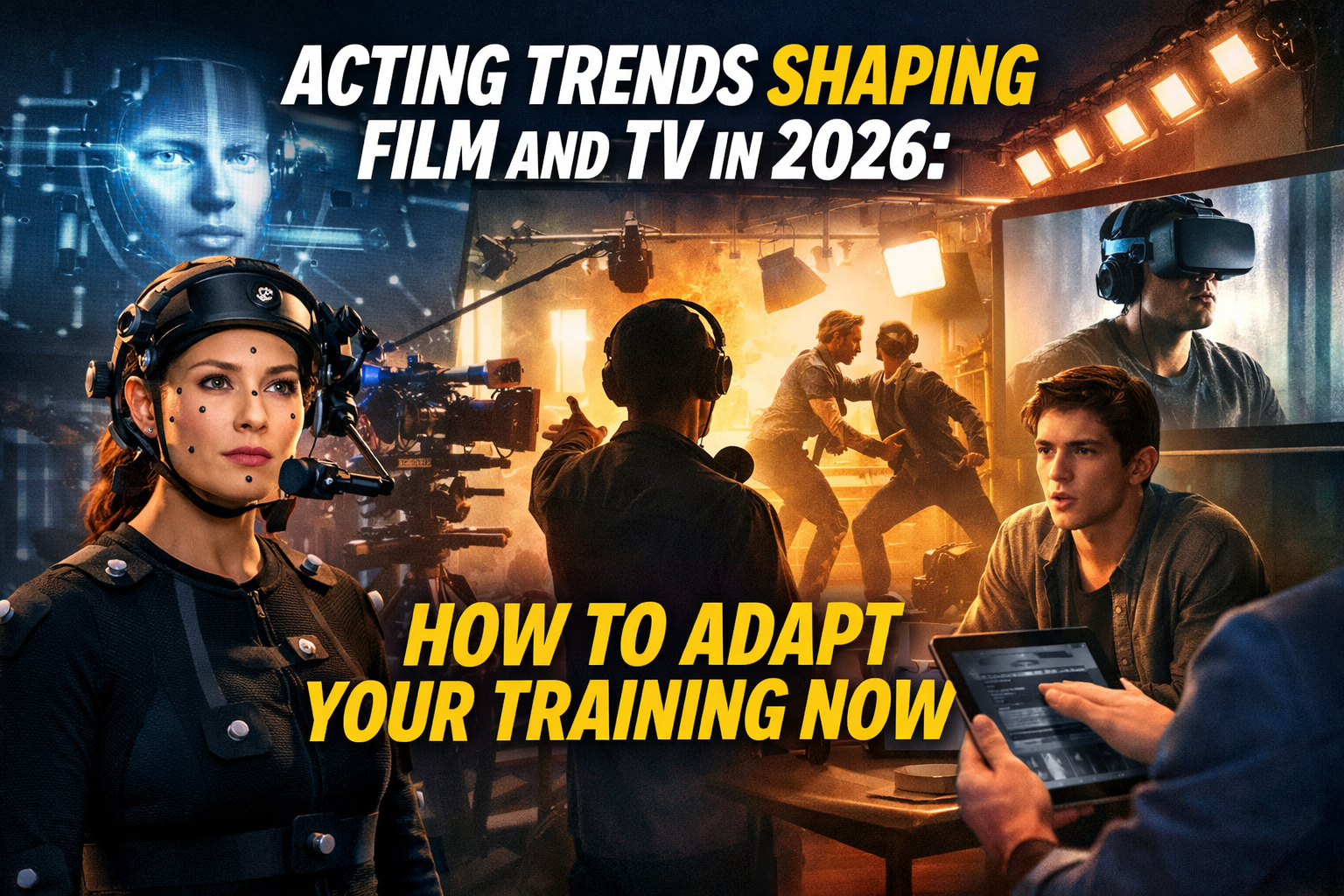
The entertainment landscape is experiencing a seismic shift in 2026, and actors who fail to adapt risk being left behind. From the rise of vertical content production to the resurgence of period drama aesthetics influencing mainstream culture, the acting profession demands new skills, fresh approaches, and strategic training adaptations. Understanding the acting trends shaping film and TV in 2026: how to adapt your training now isn’t just about staying relevant—it’s about positioning yourself at the forefront of an industry that rewards versatility, authenticity, and technological fluency.
As streaming platforms continue to dominate viewership and social media blurs the line between content creator and traditional performer, actors must evolve beyond classical training methods. The performers thriving in 2026 are those who embrace both timeless craft and cutting-edge delivery methods, understanding that a single performance might need to work across cinema screens, television sets, and smartphone displays simultaneously.
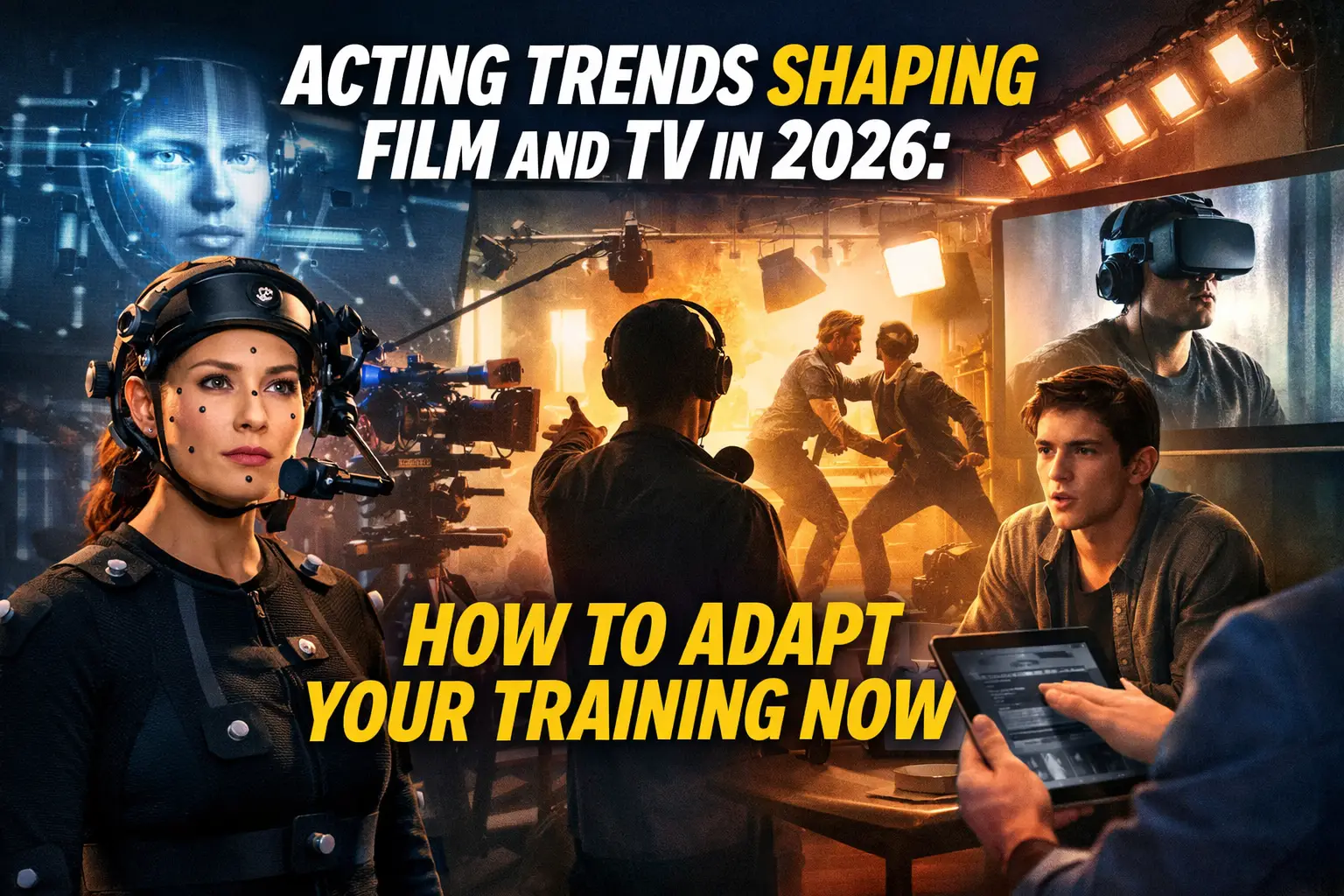
Key Takeaways
- Vertical content mastery is now essential, with actors needing to optimize performances for 9:16 aspect ratios and mobile-first viewing experiences
- Period drama skills are experiencing unprecedented demand, with costume-driven performances influencing fashion trends and creating breakout opportunities
- Actor-creator hybrid roles are becoming the industry standard, requiring performers to develop content creation, social media, and personal branding capabilities
- Authenticity over perfection defines 2026 casting preferences, with raw, relatable performances outperforming overly polished presentations
- Cross-platform versatility separates working actors from struggling ones, demanding training that spans theatrical tradition and digital innovation
The Vertical Revolution: Adapting Performance for Mobile-First Content
Understanding the Shift to Vertical Storytelling
The entertainment industry has fundamentally transformed how content reaches audiences. In 2026, vertical video content dominates social media platforms, streaming services, and even traditional broadcasters experimenting with mobile-optimized programming. This shift requires actors to reconsider everything from blocking and framing to facial expressions and gesture scale.
Traditional horizontal framing allowed actors to use the full width of the screen, creating dynamic compositions with multiple performers. Vertical content, however, demands a different approach:
- Intimate framing that prioritizes close-ups and medium shots
- Heightened facial expressions that read clearly on smaller screens
- Vertical movement utilizing the top-to-bottom frame rather than side-to-side blocking
- Direct audience engagement with eye-line adjustments for camera-to-viewer connection
Training Exercises for Vertical Content Mastery
Actors serious about adapting their craft should incorporate these practical exercises into their training regimen:
Exercise 1: The Smartphone Self-Tape Revolution 🎬
Set up your smartphone in portrait mode and record monologues specifically framed for vertical viewing. Pay attention to:
- Head positioning in the upper third of the frame
- Hand gestures that stay within the narrow frame boundaries
- Energy projection that feels intimate rather than theatrical
- Background simplicity that doesn’t distract on small screens
Exercise 2: Micro-Expression Development
With mobile screens averaging 6 inches, subtle facial work becomes critical. Practice:
- Eyebrow movements that convey emotion without exaggeration
- Lip and mouth expressions visible in tight framing
- Eye focus shifts that create visual interest within limited space
- Minimal head tilts that add dimension without leaving frame
Exercise 3: Platform-Specific Performance Styles
Different platforms require different energy levels and approaches. Create three versions of the same scene:
- TikTok/Reels style: High energy, immediate hook, 15-30 seconds
- YouTube Shorts: Medium energy, narrative arc, 60 seconds
- Streaming vertical series: Sustained performance, character depth, 3-5 minutes
Period Drama Dominance and the Return of Theatrical Aesthetics
The Cultural Impact of Costume-Driven Performances
2026 has witnessed an extraordinary resurgence of period drama influence on mainstream culture. Shows like The Gilded Age, Hamnet, and Bridgerton season 4 aren’t just entertainment—they’re cultural phenomena driving fashion trends and aesthetic movements [1]. Actors in these productions have become unexpected style icons, with their on-screen personas influencing real-world fashion choices.
The data reveals remarkable audience engagement with period aesthetics:
| Trend Category | Search Increase | Time Period | Driving Productions |
|---|---|---|---|
| Cape outfits | 65% rise | Sept 2024 – Aug 2025 | The Gilded Age |
| Poet aesthetic | 175% increase | Sept 2024 – Aug 2025 | Hamnet |
| Lace bandana | 150% increase | Sept 2024 – Aug 2025 | Bridgerton S4 |
| Lace makeup | 120% rise | Sept 2024 – Aug 2025 | Bridgerton S4 |
These statistics demonstrate that period drama performances carry cultural weight beyond traditional viewership metrics [1]. Actors who can authentically embody historical characters while making them feel contemporary and relatable are in exceptionally high demand.
Mastering Period Performance Without Losing Authenticity
The challenge facing actors in 2026 is delivering period-appropriate performances that resonate with modern audiences. The most successful performers avoid the trap of “museum piece” acting—overly formal, stiff portrayals that feel disconnected from human emotion.
Key Skills for Period Drama Success:
✨ Movement and Deportment
- Study historical movement patterns specific to the era
- Understand how clothing (corsets, layers, restrictive garments) affects physicality
- Practice period-appropriate gestures without making them feel artificial
- Master the balance between historical accuracy and emotional accessibility
✨ Vocal Adaptation
- Research accent and dialect patterns from the specific time period
- Understand social class distinctions in speech patterns
- Maintain clarity for modern audiences while honoring historical speech
- Avoid the “Shakespeare voice” trap—period doesn’t mean pretentious
✨ Emotional Truth in Historical Context
- Connect universal human emotions to period-specific circumstances
- Research the social constraints and freedoms of the era
- Find contemporary parallels to historical situations
- Allow modern audiences to see themselves in historical characters
The Masquerade and Opera Aesthetic Trend
Bridgerton season 4’s masquerade ball opener and the highly anticipated Wuthering Heights adaptation (premiering February 13, 2026) starring Margot Robbie and Jacob Elordi are driving what Pinterest has identified as the “Opera Aesthetic” trend—dark, moody, theatrical visual styles [1]. This trend creates opportunities for actors with:
- Heightened theatrical training that translates to screen
- Physical expressiveness that reads through masks and elaborate costumes
- Vocal power that carries emotional weight in grand settings
- Comfort with stylized movement and choreographed sequences
The Actor-Creator Hybrid: Building Your Personal Brand
Why Every Actor Needs Content Creation Skills in 2026
The traditional model of actors waiting for auditions and relying solely on agents has become obsolete. In 2026, the most successful performers are actor-creators—professionals who generate their own content, build direct audience relationships, and create opportunities rather than waiting for them.
The entertainment industry increasingly values actors who bring:
🎯 Built-in Audiences: Followers who will tune in specifically for your work
🎯 Content Development Skills: Ability to identify, pitch, and develop projects
🎯 Platform Fluency: Understanding of how different platforms serve different content
🎯 Authentic Personal Brands: Clear identity that resonates with specific demographics
Practical Steps to Develop Creator Capabilities
Step 1: Identify Your Unique Voice
What makes your perspective different? What stories only you can tell? Successful actor-creators in 2026 don’t try to be everything to everyone. They identify a niche and serve it exceptionally well.
Consider:
- Your cultural background and unique experiences
- Specific genres or styles that energize you
- Underserved audiences you can authentically represent
- Skills beyond acting (music, comedy, writing, directing)
Step 2: Build a Content Strategy
Approach your social media presence with the same professionalism you bring to auditions:
- Content Pillars: Establish 3-4 themes you consistently address
- Posting Schedule: Maintain regular presence without sacrificing quality
- Platform Selection: Focus on 2-3 platforms where your audience lives
- Engagement Plan: Respond to comments, build community, foster connection
Step 3: Develop Technical Production Skills
Modern actors need basic competency in:
- Video editing (apps like CapCut, Adobe Premiere Rush)
- Lighting fundamentals for self-taping and content creation
- Sound recording and basic audio editing
- Thumbnail design and visual branding
- Analytics interpretation to understand what resonates
Balancing Authenticity with Strategic Branding
The most common mistake actors make when transitioning to creator roles is abandoning authenticity in favor of perceived “marketability.” Audiences in 2026 have sophisticated filters for detecting inauthenticity—they’ve grown up with influencer culture and can spot performative behavior instantly.
“The actors winning in 2026 aren’t the ones with the most followers—they’re the ones with the most engaged communities. Quality of connection trumps quantity of followers every time.”
Authenticity Checklist:
- ✅ Share genuine struggles and learning processes, not just successes
- ✅ Maintain consistent values across all platforms and projects
- ✅ Engage in conversations you actually care about
- ✅ Collaborate with creators who align with your values
- ✅ Turn down opportunities that don’t serve your long-term brand
Industry Insights: What’s Driving Casting in 2026

The Spotlight Effect: Following the Work
Industry predictions for 2026 highlight specific performers and projects that signal broader trends. Anne Hathaway is positioned to dominate 2026 as the most spotlighted actress in Hollywood, with one of the busiest and most visible years in recent memory [3]. This level of visibility demonstrates the industry’s continued investment in established talent who can guarantee audience attention.
Meanwhile, Ryan Coogler’s Sinners is expected to win multiple Oscars, suggesting the film’s performances will be significant awards contenders [3]. Projects like these create ripple effects throughout the industry, influencing casting preferences and training priorities.
What These Trends Mean for Training
The success of high-profile projects and performers reveals what the industry values:
Versatility Across Genres
Actors who can move seamlessly between drama, action, comedy, and experimental work have the most opportunities. Training should include:
- Genre-specific techniques and conventions
- Rapid character development skills
- Adaptability to different directors’ styles
- Comfort with both naturalistic and heightened performance
Commitment to Physical Transformation
Many 2026 standout performances involve significant physical preparation, whether for period dramas, action sequences, or character-specific requirements. Invest in:
- Movement training (stage combat, dance, period movement)
- Vocal coaching for accents and character voices
- Physical fitness and stamina building
- Stunt training and coordination skills
Emotional Availability and Vulnerability
Audiences increasingly reward raw, honest performances over technically perfect but emotionally distant work. Develop:
- Emotional access techniques that feel safe and sustainable
- Vulnerability without self-indulgence
- Authentic reaction work and listening skills
- Trauma-informed performance practices
Cross-Platform Performance: The New Standard
Understanding Platform-Specific Requirements
A single performance in 2026 might need to work across multiple platforms simultaneously. Consider a typical project lifecycle:
- Theatrical/Streaming Release: Traditional cinematic or episodic viewing
- Social Media Promotion: Clips optimized for TikTok, Instagram, YouTube
- Behind-the-Scenes Content: Raw, authentic creator-style material
- Press and Interview Circuit: Personality-driven promotional appearances
- Fan Engagement: Direct interaction through social platforms
Each stage requires different performance skills and energy levels. The actors thriving in this environment train for platform versatility rather than single-medium mastery.
Training for Multi-Platform Success
Exercise 1: The Three-Take Challenge
Perform the same scene three times with platform-specific adjustments:
- Take 1 (Cinematic): Full emotional depth, subtle nuance, designed for large screen
- Take 2 (Mobile/Vertical): Adjusted framing, slightly heightened expressions, optimized for smartphone
- Take 3 (Social/Promotional): High energy, immediate hook, designed to stop scrolling
Exercise 2: Authentic vs. Performed Authenticity
Practice the difference between:
- Performed authenticity: Carefully crafted “real” moments for promotional content
- Genuine authenticity: Unscripted, vulnerable sharing that builds real connection
- Understanding when each is appropriate and how to execute both effectively
Exercise 3: Rapid Style Switching
Set a timer and switch between different performance styles every 60 seconds:
- Classical theatrical delivery
- Naturalistic film acting
- High-energy social media presentation
- Intimate self-tape audition style
- Interview/personality mode
This exercise builds the mental flexibility needed for modern acting careers.
Actionable Training Adaptations for Immediate Implementation
Building Your 2026-Ready Training Program
Actors ready to adapt their training for current industry demands should implement a balanced program addressing both traditional craft and contemporary requirements.
Weekly Training Schedule Template:
| Day | Traditional Craft (60 min) | Contemporary Skills (60 min) | Self-Development (30 min) |
|---|---|---|---|
| Monday | Scene study/text analysis | Vertical content creation | Industry research |
| Tuesday | Movement/physical training | Video editing practice | Networking outreach |
| Wednesday | Voice/speech work | Social media strategy | Analytics review |
| Thursday | Improvisation/spontaneity | Platform-specific performance | Content planning |
| Friday | Character development | Self-tape optimization | Personal branding |
| Saturday | Workshop/class attendance | Collaboration with creators | Rest/reflection |
| Sunday | Script reading | Audience engagement | Goal setting |
Investment Priorities for Professional Development
Not all training investments yield equal returns. Based on 2026 industry demands, prioritize:
High-Priority Investments:
- Quality self-tape equipment (lighting, camera, backdrop, editing software)
- On-camera technique coaching specific to film/TV (not just theatrical training)
- Content creation courses from successful actor-creators
- Accent/dialect coaching for period and international work
- Movement specialists (especially for period drama and physical roles)
Medium-Priority Investments:
- Professional website and demo reel updates
- Industry networking events and showcases
- Specialized workshops (motion capture, voice acting, stunt work)
- Mental health support and performance psychology
- Business skills training (contracts, negotiations, financial planning)
Lower-Priority Investments:
- Expensive headshot sessions (smartphones and ring lights work for most online casting)
- General “acting classes” without specific skill development
- Showcase productions with no industry attendance
- Outdated training methods not aligned with current industry practices
Maintaining Artistic Integrity While Adapting to Industry Changes
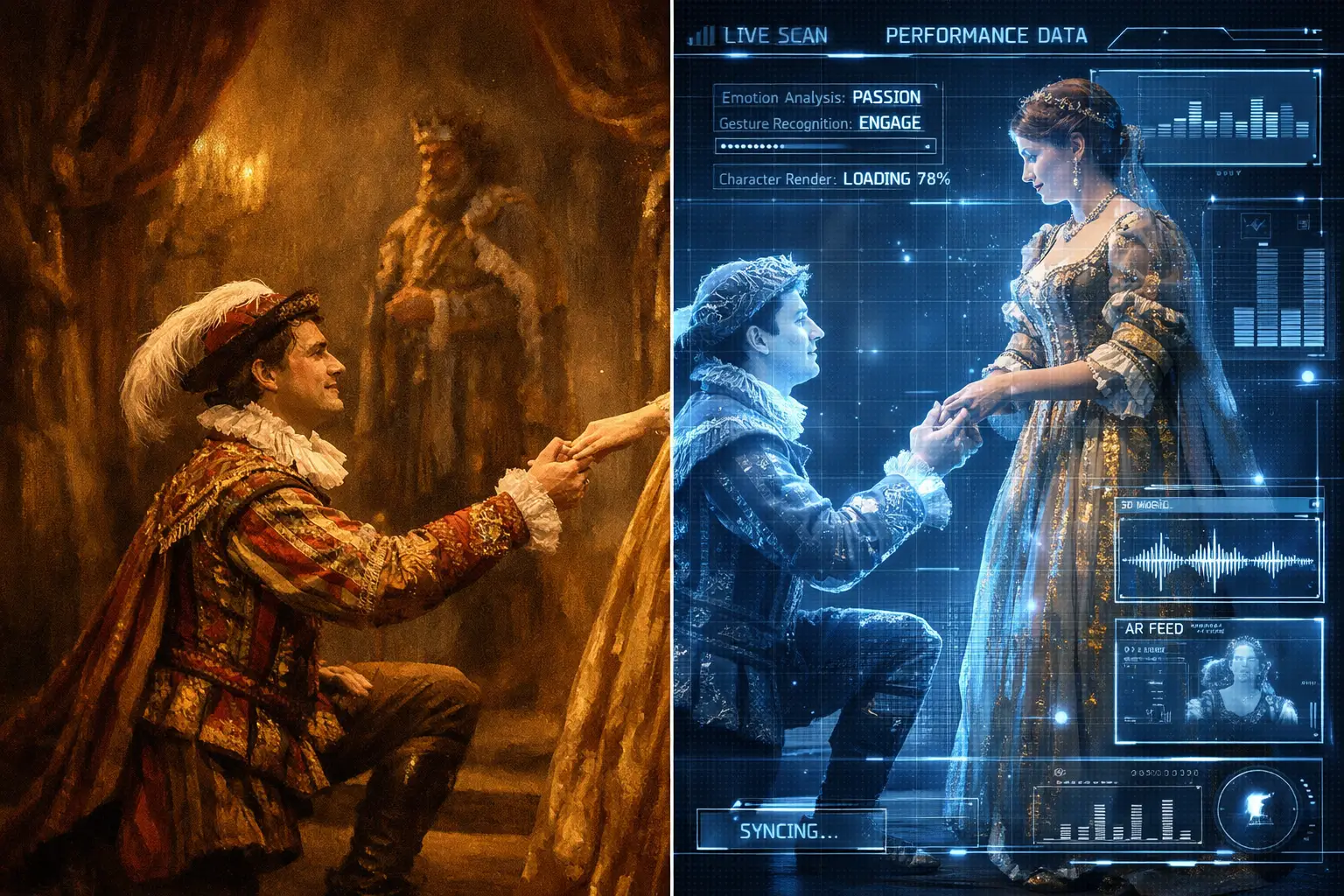
The Authenticity Paradox
One of the greatest challenges facing actors in 2026 is maintaining artistic integrity while adapting to commercial demands. The pressure to become a “brand,” to generate content constantly, and to optimize every performance for algorithmic success can feel antithetical to the artistic pursuit that drew many to acting initially.
The solution isn’t choosing between art and commerce—it’s finding the intersection where both exist authentically.
Principles for Maintaining Integrity:
💎 Know Your Non-Negotiables: Identify the core values and artistic principles you won’t compromise, then be flexible about everything else.
💎 Strategic Selectivity: You don’t need to be on every platform or pursue every trend. Choose the opportunities that align with your goals and values.
💎 Quality Over Quantity: One piece of authentic, well-crafted content outperforms ten rushed, inauthentic posts.
💎 Continuous Learning: Approach new skills with genuine curiosity rather than cynical obligation. Find the artistry in content creation, social media, and digital performance.
💎 Community Over Competition: Build relationships with other actor-creators who share your values. Collaboration beats isolation.
The Long-Term Career Perspective
The actors building sustainable careers in 2026 think beyond immediate bookings. They consider:
- Skill Compounding: Each new capability multiplies opportunities
- Reputation Building: Every project and interaction shapes industry perception
- Relationship Investment: Today’s fellow actor is tomorrow’s director, producer, or collaborator
- Adaptability: The industry will continue evolving—flexibility is a career-long asset
- Well-being: Burnout serves no one—sustainable practices enable long-term success
Conclusion: Your Action Plan for Training Adaptation
The acting trends shaping film and TV in 2026: how to adapt your training now represent both challenge and opportunity. The performers who will thrive aren’t necessarily the most talented in traditional terms—they’re the most adaptable, the most willing to learn, and the most authentic in their approach to both craft and career.
The industry’s evolution toward vertical content, period drama resurgence, and actor-creator hybrid roles isn’t temporary. These shifts reflect fundamental changes in how audiences consume content and how the entertainment business operates. Actors who resist these changes risk obsolescence, while those who embrace them with strategic intention position themselves for unprecedented opportunities.
Your Next Steps (Start This Week):
Immediate Actions (This Week):
- ✅ Record yourself performing a monologue in both horizontal and vertical formats—analyze the differences
- ✅ Choose one social media platform and commit to posting quality content twice weekly for one month
- ✅ Research three period dramas currently in production and study the movement/costume requirements
- ✅ Invest in basic self-tape equipment or optimize your current setup
- ✅ Identify one actor-creator whose career path inspires you and study their content strategy
Short-Term Goals (This Month):
- 📅 Enroll in one course addressing a skill gap (video editing, accent work, content creation)
- 📅 Create a content calendar balancing promotional material with authentic sharing
- 📅 Attend or organize a workshop focused on contemporary acting skills
- 📅 Update your materials (reel, website, social profiles) to reflect current industry standards
- 📅 Reach out to three industry contacts to rebuild or strengthen relationships
Long-Term Strategy (This Quarter):
- 🎯 Develop a signature content series that showcases your unique perspective
- 🎯 Build a training routine that balances traditional craft with contemporary skills
- 🎯 Create or join a collaborative group of actor-creators for mutual support
- 🎯 Set measurable goals for follower engagement (not just numbers—actual connection quality)
- 🎯 Evaluate and adjust your approach based on what’s working and what isn’t
The future of acting belongs to those who honor the craft’s traditions while fearlessly embracing its evolution. The acting trends shaping film and TV in 2026: how to adapt your training now aren’t obstacles to overcome—they’re invitations to expand your capabilities, deepen your artistry, and build the career you’ve always envisioned. The question isn’t whether you’ll adapt, but how quickly and how strategically you’ll do so.
Start today. The industry isn’t waiting, and neither should you.
References
[1] Wuthering Heights Bridgerton Trends Pinterest Tv Film Newsfeature – https://www.radiotimes.com/tv/drama/wuthering-heights-bridgerton-trends-pinterest-tv-film-newsfeature/
[2] Media In Motion What 2026 Holds For Entertainment Trends – https://allthingsinsights.com/content/media-in-motion-what-2026-holds-for-entertainment-trends/
[3] Entertainment Pop Culture Predictions 2026 – https://boardroom.tv/entertainment-pop-culture-predictions-2026/
[4] screendaily – https://www.screendaily.com/features/eight-talking-points-for-the-us-film-industry-in-2026/5212421.article
[5] Outlook For Entertainment And Media Leaders In 2026 – https://www.ghjadvisors.com/ghj-insights/outlook-for-entertainment-and-media-leaders-in-2026