
Look, I’ve been in this business a while, and I’ll tell you something that would have seemed crazy when I started: the fastest way to build your theater portfolio in 2026 isn’t necessarily by waiting for that perfect stage role. It’s by creating your own short-form content and micro-projects that showcase your talent right now, today, with nothing more than a smartphone and a good idea.
Building Your Theater Portfolio With Short-Form Content: Micro-Projects as Your Entry Point in 2026 isn’t just a trend—it’s become the new audition tape, the new headshot, and sometimes even the new resume all rolled into one. The landscape has shifted dramatically, and actors who understand this are getting noticed while others are still waiting by the phone.
Here’s the beautiful truth: short-form and vertical content have evolved from secondary channels into primary storytelling formats capable of building major franchises and emotional loyalty[1]. What does this mean for you? It means that three-minute vertical video you create this weekend could genuinely launch your career in ways that waiting for traditional opportunities simply can’t match anymore.
Key Takeaways
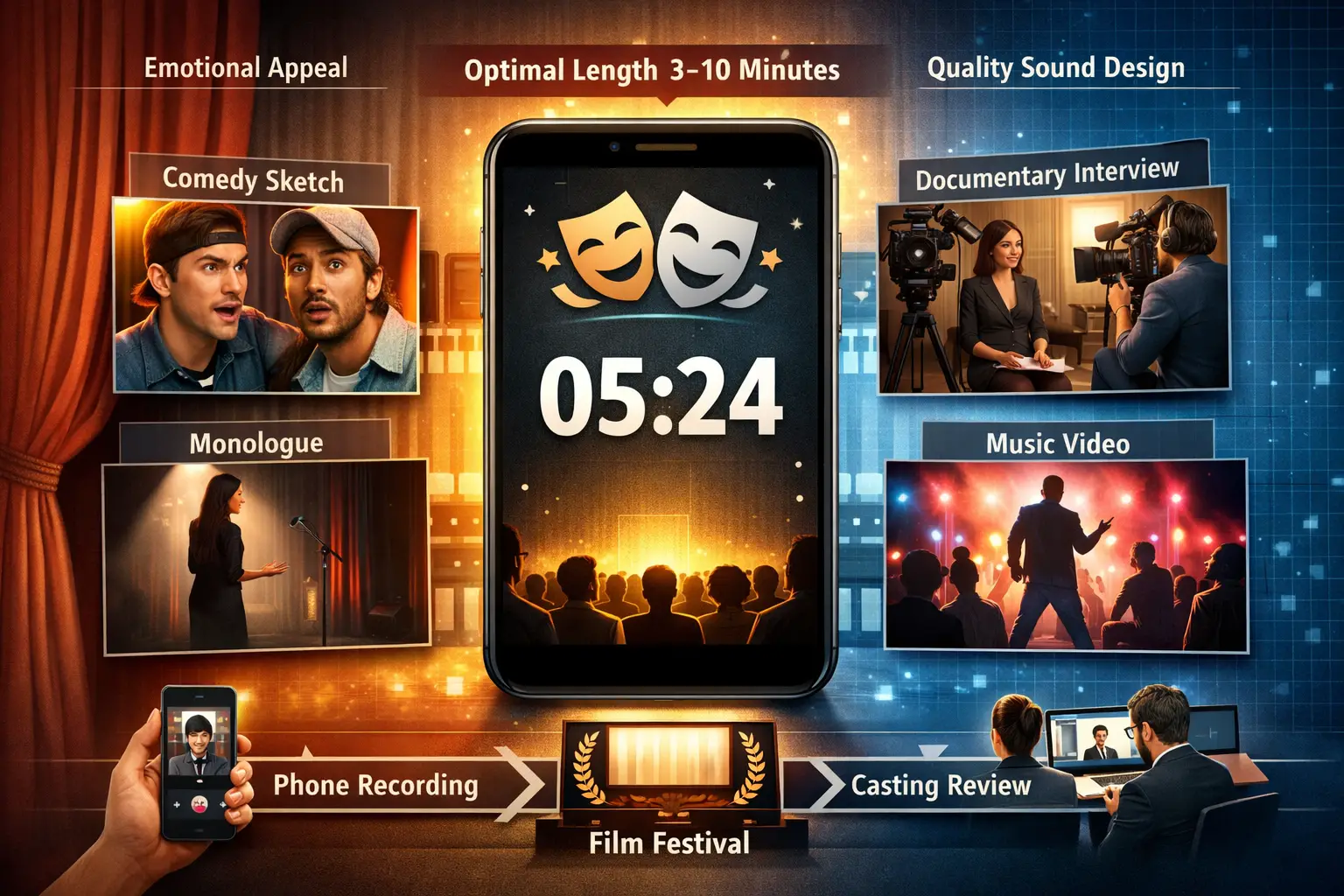
- Micro-projects (3-10 minutes) are the optimal length for modern theater portfolios, designed to capture attention in an era of brief attention spans while demonstrating your range[2]
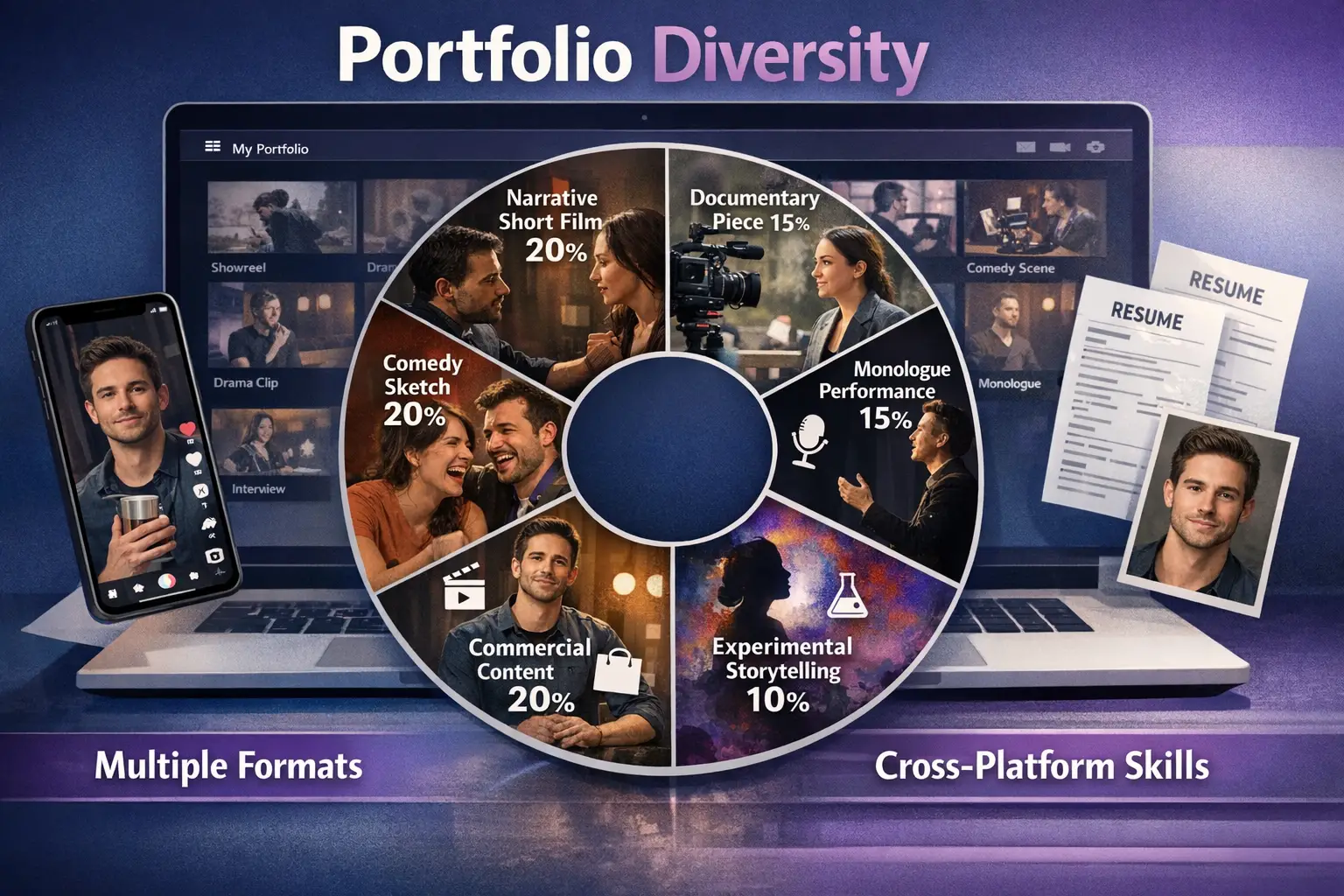
- Diversity strengthens your portfolio more than perfection—include narrative shorts, comedy sketches, monologues, documentary-style pieces, and experimental work to show versatility[2]
- Short-form content now serves as a feeder system to traditional theater and TV opportunities, with casting directors actively seeking talent through digital platforms[1]
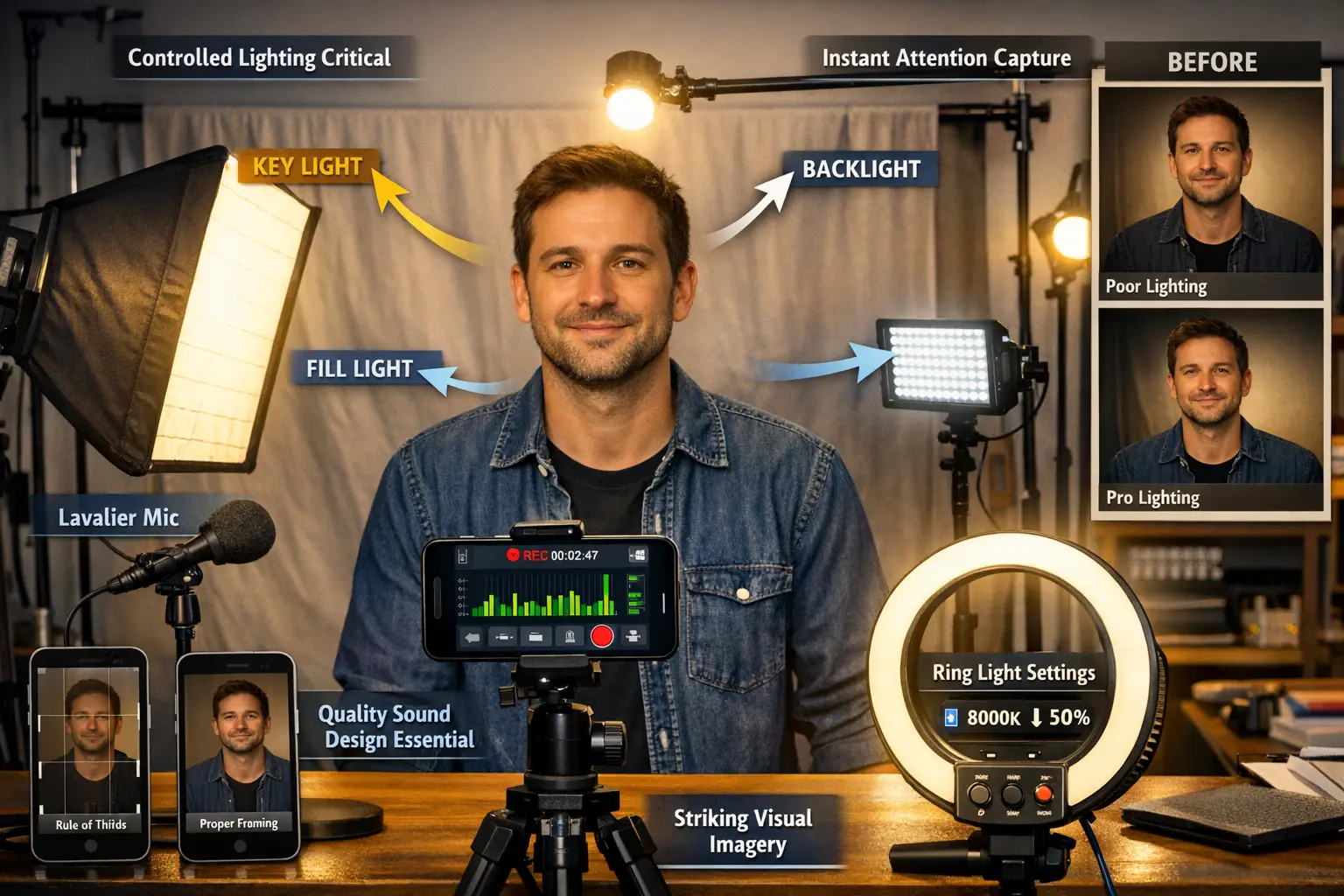
- Technical quality matters as much as performance—controlled lighting and quality sound design are critical elements that separate amateur from professional work[2]
- Building cross-platform skills keeps you relevant and employable in an industry where creatives are intentionally working across multiple mediums rather than specializing in single niches[3]
Why Micro-Projects Matter More Than Ever for Theater Actors
Let me paint you a picture from my early days. If you wanted to build a portfolio, you needed to get cast in productions, hope someone filmed them (usually with terrible quality), and then somehow get those VHS tapes—yes, I said VHS—into the hands of casting directors. The barriers to entry were enormous, and the waiting game could last years.
Fast forward to 2026, and the game has completely changed. Building Your Theater Portfolio With Short-Form Content: Micro-Projects as Your Entry Point in 2026 has become not just viable, but often preferable to traditional methods.
The Democratization of Content Creation
Think of it this way: you’re no longer waiting for someone to give you permission to perform. You’re the producer, director, and star of your own showcase. And here’s the kicker—casting directors are actually looking for this stuff now.
The entertainment industry has recognized that creatives are intentionally building careers across multiple mediums (theater, film, digital-first formats) rather than specializing in single niches, allowing them to stay responsive and relevant[3]. This isn’t about abandoning theater—it’s about expanding your toolkit.
Short-Form as the New Audition Tape
I’ve watched casting directors scroll through actors’ TikTok profiles during breaks. I’ve seen callbacks given based on Instagram reels. The three-minute monologue you film in your living room might get more eyes on it than a production that runs for two weeks in a 50-seat black box theater.
Vertical short films are demanding a different creative approach from traditional theater or film—they require striking visual imagery that captures attention instantly to prevent viewers from scrolling away[3]. This is the intersection of entertainment and marketing, and smart actors are learning to navigate both.
Understanding the Sweet Spot: Building Your Theater Portfolio With Short-Form Content
Here’s where the rubber meets the road. Not all short-form content is created equal, and understanding the optimal approach will save you countless hours of wasted effort.
The Magic Length: 3 to 10 Minutes ⏱️
Research shows that the optimal short film length is 3 to 10 minutes, specifically designed to accommodate modern brief attention spans[2]. Think of this as your Goldilocks zone—long enough to show real acting chops and storytelling ability, but short enough that busy casting directors will actually watch the whole thing.
I compare it to a perfectly crafted appetizer. You want to leave them wanting more, not checking their watch. A brilliant 5-minute piece will get watched completely and shared. A mediocre 20-minute piece will get abandoned at the 2-minute mark.
What Makes Short-Form Theater Content Work
Concise storytelling is essential, with short-form writers needing to deliver impactful dialogue and visual cues that convey information quickly[5]. This is actually excellent training for theater actors because it forces you to make bold, clear choices immediately.
Here’s what successful micro-projects have in common:
- Emotional appeal over sophisticated plots[2] — Focus on making people feel something rather than impressing them with complexity
- Striking visual imagery that captures attention instantly[3]
- Quality sound design[2] — Nothing kills a good performance faster than bad audio
- Controlled lighting[2] — You don’t need expensive equipment, but you do need intentional lighting choices
- Clear character objectives — Even in 3 minutes, we need to understand what your character wants
The Portfolio Diversity Advantage
Diversity in project types strengthens portfolios: including narrative short films, documentaries, music videos, commercial-style content, and experimental storytelling pieces[2]. This isn’t just about showing range—it’s about proving you can work in different formats and adapt to different storytelling requirements.
Think of your portfolio like a restaurant menu. If everything is the same dish prepared slightly differently, diners get bored. But if you offer variety while maintaining quality, you appeal to different tastes and occasions.
| Project Type | What It Demonstrates | Time Investment |
|---|---|---|
| Narrative Short | Storytelling ability, character development | High (1-2 weeks) |
| Comedy Sketch | Timing, versatility, commercial appeal | Medium (3-5 days) |
| Monologue | Raw acting skill, emotional range | Low (1-2 days) |
| Documentary-Style | Authenticity, interview skills | Medium (1 week) |
| Experimental | Creativity, risk-taking, artistry | Variable |
| Commercial-Style | On-camera presence, brand appeal | Low (2-3 days) |
Practical Steps for Building Your Theater Portfolio With Short-Form Content: Micro-Projects as Your Entry Point in 2026
Alright, enough theory. Let’s get into the nuts and bolts of actually creating this content. I’ve made every mistake in the book, so learn from my failures and save yourself some headaches.
Starting With What You Have Right Now 📱
The biggest mistake I see actors make is waiting until they have “better equipment” or “more time” or “the perfect script.” Stop it. Start now with your smartphone.
Modern smartphones have better cameras than the professional equipment we used 15 years ago. I’m not kidding. The limitation isn’t your gear—it’s your knowledge of how to use it effectively.
Essential free or low-cost tools:
- Your smartphone (obviously)
- Natural window light (the most flattering light source that exists)
- A simple backdrop (a blank wall, a sheet, even a clean corner)
- Free editing apps (CapCut, iMovie, DaVinci Resolve)
- Your voice and talent (priceless)
The Micro-Project Formula That Works
Here’s a formula I’ve seen work repeatedly for actors building portfolios:
Week 1: The Comedy Sketch 🎭 Create a 2-3 minute comedy piece. Comedy is incredibly valuable because it shows timing, likability, and commercial appeal. It doesn’t have to be groundbreaking—it just has to make people smile and showcase your personality.
Week 2: The Emotional Monologue Film a powerful 3-5 minute monologue that shows dramatic range. Choose material that contrasts with your comedy piece. If you played upbeat in week 1, go dark here. Show range.
Week 3: The Experimental Piece Try something weird and artistic. This is where you show creativity and risk-taking. Maybe it’s a physical theater piece, maybe it’s an abstract character study. This piece says “I’m not just a technician—I’m an artist.”
Week 4: The “Commercial” Project Create something that demonstrates commercial viability. This could be a mock commercial, a testimonial-style piece, or a lifestyle content video. This shows you understand the business side.
Technical Quality: The Non-Negotiables
Listen, I’ve watched talented actors sabotage their own work with terrible technical execution. You can give the performance of a lifetime, but if the audio sounds like you’re underwater and the lighting makes you look like a hostage video, nobody will watch long enough to see your brilliance.
Sound quality is non-negotiable. I cannot stress this enough. Bad lighting is forgivable. Bad sound is not. Here’s why: people will watch mediocre video quality, but they’ll immediately click away from bad audio. It’s visceral.
Quick fixes for better sound:
- Record in a small, carpeted room (less echo)
- Use your phone’s microphone close to you (2-3 feet max)
- Invest $20 in a lavalier mic if you’re serious
- Avoid recording near refrigerators, air conditioners, or traffic
- Record multiple takes—audio issues are easier to catch in editing
Lighting doesn’t require expensive equipment:
- Film during golden hour near a window (free and gorgeous)
- Use the “triangle” method: key light, fill light, backlight
- A desk lamp can be a key light
- White poster board can bounce light as fill
- Avoid overhead lighting (unflattering shadows)
- Test your setup with your phone before the “real” take
Content Strategy: What to Create and Why
Building Your Theater Portfolio With Short-Form Content: Micro-Projects as Your Entry Point in 2026 requires strategic thinking about what you create. Random content won’t build a cohesive portfolio—intentional choices will.
The “Proof of Concept” Approach
Think of each micro-project as proof of concept for a larger idea. That 4-minute comedy sketch about a struggling actor? It could become a web series. That experimental character study? It could be a one-person show. You’re not just creating content—you’re developing intellectual property.
I know actors who’ve gotten representation specifically because their short-form content demonstrated they could generate their own material. Agents love that. It shows initiative and reduces the risk of signing someone who’ll just sit around waiting for opportunities.
The Festival Circuit Strategy 🏆
Many film festivals now have categories specifically for micro-short films (under 5 minutes) and vertical format content. Getting “Official Selection” laurels on your work adds credibility instantly. Even small festival selections look impressive on a resume and in your portfolio.
Target festivals that:
- Accept short-form content (under 10 minutes)
- Have reasonable entry fees ($20-40)
- Offer online screening options
- Align with your content type (comedy festivals for sketches, experimental festivals for art pieces)
Leveraging Cross-Platform Distribution
Here’s where it gets exciting. Working in emerging digital formats opens access to large, global audiences and reinforces the value of fluency in multiple visual languages[3].
Your 5-minute piece isn’t just one project—it’s content for multiple platforms:
- Full version on YouTube and Vimeo (portfolio centerpiece)
- Vertical edit for TikTok and Instagram Reels (discovery tool)
- Behind-the-scenes clips for Instagram Stories (engagement)
- Stills and quotes for LinkedIn (professional networking)
- Blooper reel for additional engagement content
Each platform serves a different purpose in your career strategy. YouTube is your professional portfolio. TikTok is your discovery engine. LinkedIn is your networking tool. Instagram bridges the gap between professional and personal brand.
Common Mistakes to Avoid (I’ve Made Them All)
Let me save you some pain by sharing the mistakes I’ve made or witnessed over three decades.
Mistake #1: Waiting for Perfect Conditions
Perfect is the enemy of done. I’ve watched talented actors spend months “preparing” to create content and never actually create anything. Meanwhile, less talented but more prolific actors build impressive portfolios and get opportunities.
The fix: Set a deadline and stick to it. “Good enough” content that exists beats “perfect” content that doesn’t.
Mistake #2: Ignoring the Scroll-Stop Factor
Remember, vertical short films require striking visual imagery that captures attention instantly to prevent viewers from scrolling away[3]. The first 2 seconds determine whether anyone watches the next 2 minutes.
The fix: Front-load your most interesting visual or line. Hook them immediately. You can build context after you’ve earned their attention.
Mistake #3: Overcomplicating the Story
Emphasis should be on emotional appeal over sophisticated plots[2]. I’ve seen actors try to cram feature-film-level complexity into 5 minutes. It doesn’t work. You end up with confusion instead of connection.
The fix: One character, one objective, one obstacle, one emotion. Keep it simple and make it powerful.
Mistake #4: Neglecting the Business Side
Creating content is only half the battle. You need to actually get it in front of people who can hire you.
The fix:
- Tag relevant industry professionals (respectfully)
- Use industry-specific hashtags
- Share in actor groups and communities
- Include your contact information in video descriptions
- Create a professional portfolio website linking all your work
Mistake #5: Inconsistency
Posting one brilliant piece and then disappearing for six months doesn’t build momentum. The algorithm gods reward consistency, and so does your growing audience.
The fix: Commit to a realistic schedule. One quality piece per month is better than four pieces in one month and then nothing for four months.
The Future is Already Here: Adapting to 2026’s Reality
Here’s something that might surprise you: short-form and vertical video are evolving into primary storytelling formats capable of building major franchises and emotional loyalty, rather than serving as secondary channels[1].
This isn’t a temporary trend. This is the new normal. The actors who resist this shift will find themselves increasingly irrelevant. The actors who embrace it will find opportunities that didn’t exist five years ago.
The Hybrid Career Model
The most successful actors I know in 2026 aren’t choosing between theater and digital content—they’re doing both. They’re using digital content to build audiences and demonstrate talent, which leads to theater opportunities, which they then document and share digitally, which builds larger audiences, which leads to bigger opportunities.
It’s a virtuous cycle, but you have to start it yourself.
Building Authentic Connections
One unexpected benefit of creating micro-projects: you build a real relationship with your audience. When someone watches your 5-minute comedy sketch and laughs, they feel connected to you in a way that seeing you in a traditional production doesn’t quite replicate.
This matters because casting directors are humans too. When they recognize you from content they’ve enjoyed, you’re no longer just another headshot in a pile. You’re someone they already have a relationship with.
Actionable Next Steps: Your 30-Day Challenge
Alright, let’s make this real. Here’s your challenge for the next 30 days:
Week 1: Planning and Preparation
- Choose your first micro-project type (comedy sketch, monologue, or experimental)
- Write or select material (3-5 minutes max)
- Scout your location (probably your home)
- Test your lighting and sound setup
- Rehearse your material until it’s solid
Week 2: Production
- Film your project (give yourself multiple takes)
- Capture some behind-the-scenes content
- Don’t overthink it—done is better than perfect
Week 3: Post-Production
- Edit your piece (keep it tight—cut anything that doesn’t serve the story)
- Color correct if needed
- Ensure audio levels are consistent
- Create vertical versions for social platforms
- Design a simple thumbnail
Week 4: Distribution and Analysis
- Upload to YouTube and Vimeo
- Post vertical versions to TikTok and Instagram
- Share behind-the-scenes content
- Submit to 2-3 relevant festivals
- Track engagement and learn from the data
- Start planning your next project
The Long Game: Building Momentum Over Time
Here’s the truth about Building Your Theater Portfolio With Short-Form Content: Micro-Projects as Your Entry Point in 2026: it’s not about one viral video (though that would be nice). It’s about consistent, quality output that demonstrates your range, reliability, and creativity over time.
After 30 years in this business, I can tell you that the actors who succeed aren’t always the most talented. They’re the most persistent, the most adaptable, and the most willing to create their own opportunities rather than waiting for someone else to give them permission.
Measuring Success Beyond Views
Don’t get obsessed with view counts. I’ve seen actors with millions of views who can’t book work, and actors with modest followings who work constantly. Here’s what actually matters:
✅ Quality of engagement (meaningful comments, shares, saves)
✅ Industry attention (follows from casting directors, agents, producers)
✅ Skill development (each project should make you better)
✅ Portfolio diversity (showing range across different formats)
✅ Professional opportunities (callbacks, auditions, bookings resulting from your content)
The Compound Effect
Each micro-project you create is a small investment. Individually, they might not seem like much. But compound them over 6 months, a year, two years, and you’ve built an impressive body of work that demonstrates commitment, range, and professionalism.
Think of it like putting money in a savings account. One deposit doesn’t change your life. But consistent deposits, compounded over time, build wealth. Your portfolio works the same way.
Conclusion: Your Entry Point is Now
Look, I get it. The industry can feel overwhelming, especially when you’re starting out or trying to break through to the next level. The traditional paths seem blocked by gatekeepers, and the competition feels fierce.
But Building Your Theater Portfolio With Short-Form Content: Micro-Projects as Your Entry Point in 2026 offers something precious: control. You control the timeline. You control the material. You control the quality. You control when and how you put yourself out there.
Is it work? Absolutely. Will every project be brilliant? Not a chance. Will some of them make you cringe when you watch them back? Oh, you bet. I still can’t watch some of my early work without hiding behind a pillow.
But here’s what I know after three decades: the actors who create opportunities for themselves instead of waiting for opportunities to find them are the ones who build sustainable careers. The tools available in 2026 make this easier than it’s ever been.
Your next steps are simple:
- Stop overthinking and start creating
- Focus on emotional connection over technical perfection
- Build a diverse portfolio across multiple formats
- Share your work strategically and consistently
- Learn from each project and keep improving
The beautiful thing about micro-projects is that you can start today. Right now. This afternoon. You don’t need anyone’s permission, you don’t need expensive equipment, and you don’t need to wait for the “right time.”
The right time is now. The entry point is short-form content. The portfolio you build will open doors you didn’t even know existed.
Now stop reading and go create something. I’ll be watching for your work. 🎬
References
[1] Media In Motion What 2026 Holds For Entertainment Trends – https://allthingsinsights.com/content/media-in-motion-what-2026-holds-for-entertainment-trends/
[2] How To Build A Filmmaking Portfolio – https://aaft.com/blog/cinema/how-to-build-a-filmmaking-portfolio/
[3] Roger Teng Reinventing Costume Design For Cross Platform Era – https://gritdaily.com/roger-teng-reinventing-costume-design-for-cross-platform-era/
[5] Vertical Dramas An Emerging Trend In The Entertainment Industry – https://www.creativescreenwriting.com/vertical-dramas-an-emerging-trend-in-the-entertainment-industry/